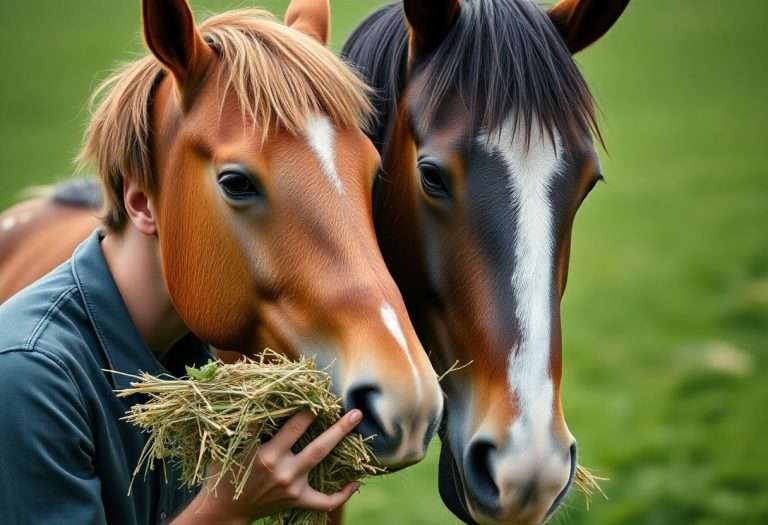
The Equestrian Way of Life – An Introduction
Equestrian pursuits encompass more than just riding; they represent a unique lifestyle intertwined with passion, dedication, and a profound connection to horses. As you explore into the equestrian world, you’ll discover a community that values the bond between rider and horse, while also embracing the discipline required in training and care. This post will guide you through the fundamentals of the equestrian way of life, from understanding horse care to exploring the various disciplines, helping you to cultivate your knowledge and passion for this enriching journey.
The History of Equestrianism
The history of equestrianism is a fascinating journey that intertwines human development and the domestication of the horse. Understanding how this bond formed lays the groundwork for appreciating the role horses play in our lives today. From ancient civilizations to modern disciplines, the evolution of horse riding reflects shifting cultural, social, and practical influences.
Ancient Origins of Horse Riding
Equestrianism traces its roots back to ancient societies, where the first riders discovered the incredible partnership with horses. Evidence suggests that horses were domesticated around 3500 BC in the steppes of Central Asia, transforming transportation and agriculture. As these early riders mastered the art of riding, they paved the way for a profound relationship that would change the course of history.
The Evolution of Riding Techniques
Above all, the evolution of riding techniques is a testament to human ingenuity and adaptation. As civilizations advanced, so did the methods of riding, harnessing both horses’ physical capabilities and the riders’ emerging skills. Various cultures, from the Mongols to the Spanish, developed unique styles that emphasized different aspects of riding, such as speed, precision, and control.
With each significant cultural exchange, riding techniques evolved, influenced by factors such as terrain, the tasks required of horses, and the development of specialized equipment. Over time, unified riding styles began to emerge, showcasing the artistry and discipline involved in horse riding. This constant evolution showcases the dynamic relationship you have with horses, adapting to the needs of both rider and steed in ever-changing circumstances.
The Cultural Significance of Horses in Society
Among the many aspects of equestrianism, the cultural significance of horses in society cannot be overstated. Horses have played vital roles in warfare, trade, and agriculture across numerous cultures, often symbolizing power, wealth, and status. By understanding how horses have shaped social hierarchies and traditions, you deepen your appreciation for their importance in human history.
Horses have been revered in various cultures, often representing values such as bravery and freedom. In many societies, you will find intricate myths and folklore that elevate horses to a near-sacred status, demonstrating their role in shaping identity. Their presence in art, literature, and various rituals highlights the respect and admiration people have held for these majestic creatures throughout history.
Equestrianism Through the Ages
Equestrianism has continually evolved through the ages, adapting to the changing needs and desires of society. From nomadic tribes relying on horses for survival to the formal schooling of modern horseback riding, each era has contributed uniquely to the equestrian arts. As you explore these histories, you see the beauty of continual growth in this discipline.
In fact, the modern equestrian world reflects a synthesis of centuries of knowledge and style. Different riding disciplines have emerged, such as dressage, show jumping, and rodeo, each built upon a rich historical foundation. Understanding how these diverse practices developed allows you to appreciate the depth of equestrianism, while also enriching your own riding experiences and connection with horses today.

Understanding Equine Behavior
Even if you have been around horses for years, understanding equine behavior is important for establishing a trusting and successful relationship with your horse. It provides insight into your horse’s needs, emotions, and reactions, which can significantly improve your riding and training experience.
The Psychology of Horses
With a highly complex social structure and a rich emotional life, horses exhibit behaviors that reflect their instincts as prey animals. Their emotional intelligence allows them to respond to your actions and feelings, making it vital for you to be aware of your own mental state when interacting with them.
Communication Between Horse and Rider
Below the surface of your riding journey lies a profound communication channel between you and your horse. This connection goes beyond verbal cues; body language, tone of voice, and energy levels all play an integral role in how your horse perceives your intentions.
Also, understanding this silent communication can help you convey your expectations more effectively. A soft touch or a specific position of your body can signal to your horse what you want them to do. Being aware of your horse’s responses will enable you to adapt your methods and techniques to foster a stronger partnership.
Common Horse Behavior Myths
To enhance your equestrian knowledge, it is important to debunk common horse behavior myths. Many misconceptions, such as horses being stubborn or vengeful, can lead to misunderstandings that impede your training efforts.
Even experienced riders sometimes fall prey to these myths, which can create barriers in the learning process. Recognizing and challenging these false beliefs will allow you to appreciate your horse’s true nature and needs, facilitating a more harmonious bond built on trust and understanding.
Recognizing Horse Stress Signals
Signals of stress in your horse can manifest in various ways, from subtle behavioral changes to more alarming physical signs. By paying attention to these signals, you can better gauge your horse’s emotional state and respond accordingly.
Psychology plays a significant role in identifying stress indicators, as many behaviors are rooted in fear, discomfort, or anxiety. Observing your horse’s body language, such as ear position, tail movement, and eye expressions, will help you detect when they are feeling uneasy. Proactive management of these stress signals will contribute to a positive environment where your horse feels safe and supported.

Types of Equestrian Disciplines
To fully appreciate the equestrian lifestyle, it’s important to understand the various disciplines involved. Each discipline offers a unique way to connect with horses and showcases different skills and techniques. Below are some of the main disciplines you should explore:
| Discipline | Description |
| Western Riding | A style of riding developed in the American West, focusing on practical trail riding and ranch work. |
| English Riding | A traditional style of riding with a focus on discipline and precision, often seen in the show ring. |
| Dressage | A competitive discipline emphasizing the horse’s training and relationship with the rider. |
| Jumping | A thrilling discipline where horse and rider navigate a course of jumps. |
| Leisure Riding | A casual approach to riding, focusing on enjoyment and exploration in a relaxed setting. |
Perceiving the nuances between these disciplines can deepen your appreciation for the equestrian way of life, as each requires different skills and offers diverse experiences.
Western Riding
At its core, western riding is about practicality and versatility. Developed from the working practices of cowboys, this discipline emphasizes the horse’s abilities to perform tasks such as herding cattle and navigating rough terrain. You’ll often see western riders using a variety of specialized tack and techniques that prioritize comfort and communication between horse and rider.
English Riding
About English riding, it’s noted for its elegant technique and formal presentation. This discipline includes various sub-disciplines, such as show jumping and dressage, each focused on style, control, and precision. As you participate, you may find it emphasizes teamwork with your horse, as well as the importance of posture and balance.
In fact, English riding is often seen in competitive events, where skill and discipline are showcased in front of judges. Riders wear formal attire, and the equipment includes specific saddles and bridles designed to facilitate a closer connection with the horse. Engaging in English riding can significantly enhance both your riding abilities and your bond with your equine partner.
Dressage and Its Components
Beside being a competitive sport, dressage is an art form that focuses on the horse’s training and development. You will work on movements that display the grace and responsiveness of your horse, allowing for a harmonious relationship between horse and rider. Often described as ballet for horses, this discipline requires patience and attention to detail.
Riding in dressage competitions involves performing a series of movements in a prescribed pattern. The goal is to execute these movements with precision and fluidity, showcasing your horse’s athleticism and obedience. It’s a multifaceted discipline that rewards skill, artistry, and the connection between you and your horse.
Jumping and Eventing
Between the excitement and adrenaline, jumping and eventing are disciplines that highlight agility and bravery. You and your horse will navigate a course filled with various obstacles, testing both your skills and partnership. Eventing combines elements of dressage, cross-country, and show jumping, providing a well-rounded challenge.
Another captivating aspect of jumping is the competitive environment. Events can range from local fairs to prestigious international competitions. The thrill of clearing challenges while showcasing your teamwork with your horse is what makes this discipline appealing to many riders.
Leisure Riding and Trail Riding
Riding for leisure is all about enjoyment and relaxation in a natural setting. Whether you choose to explore scenic trails or simply enjoy a leisurely ride around the arena, this discipline is perfect for those who want to bond with their horse without the pressures of competition.
But leisure riding can also serve as a therapeutic escape, allowing you to connect with nature and relieve stress. The unstructured nature of leisure riding invites you to discover new trails or enjoy quiet moments with your horse, making it a rewarding experience for both you and your equine companion. If you’re interested, you can listen to insights like those from Giovanni Ugolotti: being an Event Rider is all about hard work and a positive attitude to motivate your riding journey.
Essential Equipment and Gear
Many aspects of the equestrian lifestyle hinge on using the right equipment and gear. From saddles to grooming tools, each piece plays a significant role in ensuring both your safety and your horse’s well-being.
Choosing the Right Saddle
To select the perfect saddle, you must consider your horse’s conformation and your riding style. A well-fitting saddle enhances comfort, improves communication with your horse, and allows for better performance during rides.
Importance of Bridles and Bits
About bridles and bits: these tools are vital for effective communication between you and your horse. They allow you to apply subtle aids, ensuring your horse responds well to your cues.
Essential for maintaining control, bridles and bits come in various types suited for different disciplines and horse behaviors. Proper adjustment and fitting are necessary to prevent discomfort and enhance performance. Choosing the right combination can lead to a fulfilling riding experience, making it easier for you to bond with your horse.
Protective Gear for Horse and Rider
On the safety front, protective gear is indispensable for both you and your horse. Items like helmets, boots, and leg wraps can help prevent injuries during rides or training sessions.
Even if you feel confident, accidents happen, and wearing the appropriate protective gear mitigates risks. Additionally, equipping your horse with leg protection is equally important, especially for activities that involve jumps or fast movements. This not only safeguards your horse but also ensures a more enjoyable ride.
Grooming Tools and Supplies
Around your equestrian routine, grooming tools and supplies form a fundamental part of horse care. Brushes, combs, and hoof picks help keep your horse clean and healthy, while also strengthening your bond through the grooming process.
Also, a regular grooming routine allows you to check for injuries or irritations on your horse’s skin while removing dirt and debris. It’s also an excellent time to simply connect with your horse, making it a pleasant experience for both of you. For optimal care, stocking up on high-quality grooming supplies is necessary.
Seasonal Gear Considerations
Between the changing seasons, your gear needs may shift. For instance, winter may require thicker blankets and specialized tack to ensure comfort, while summer might call for lighter materials and hydration tools.
Plus, adapting your equipment to the seasons not only enhances your horse’s comfort but also improves your overall riding experience. Understanding what your horse needs throughout the year will ensure that both of you are prepared, healthy, and ready to enjoy your time together, no matter the weather.
Training and Care of Horses
Now that you have a glimpse into the equestrian lifestyle, it’s necessary to probe into the training and care of these magnificent animals. A well-trained horse not only enhances your riding experience but also promotes a harmonious partnership. For those seeking deeper insights, consider exploring Way of the Horse: Equine Archetypes for Self-Discovery A, which can open new avenues of understanding in your journey with horses.
Basic Training Techniques
On your journey to training a horse, it’s vital to employ basic techniques that foster trust and respect. Start with groundwork, focusing on communication and establishing boundaries through voice commands and body language. Consistency and patience are key elements in this early stage, ensuring that your horse understands what is expected of them.
Nutrition and Diet for Optimal Health
An equine’s health is significantly influenced by its diet. You must ensure your horse receives a balanced diet, inclusive of high-quality hay, grains, and fresh water. The nutritional needs may vary based on age, activity level, and overall health, making it necessary to tailor their diet accordingly.
Another factor to consider is the quality of feed. You should be aware that horses require specific vitamins and minerals to thrive, thus consulting with a nutritionist or veterinarian can provide personalized insights that enhance your horse’s well-being. Incorporate forage that aids digestion and consider supplements to support their unique dietary requirements.
Regular Health Check-ups and Veterinary Care
Beside proper nutrition, regular health check-ups are integral to maintaining your horse’s health. Scheduling routine visits from a veterinarian can help identify potential health issues before they escalate, ensuring your horse remains in peak condition.
Veterinary care encompasses vaccinations, dental care, and parasite control, all vital components of your horse’s health regimen. By establishing a solid partnership with a trusted vet, you ensure that your horse receives comprehensive care tailored to their needs, promoting longevity and vitality.
Importance of Socialization and Exercise
Importance lies in recognizing that horses are social creatures requiring interaction with both humans and other horses. Regular exercise and socialization help maintain their mental and physical well-being, contributing to a balanced lifestyle.
Care for your horse extends beyond feeding and veterinary visits; it includes providing an environment where your horse can socialize. Activities such as turnout with other horses allow for natural behaviors to flourish, while structured exercise routines, like riding or lunging, help build strength and stamina, enhancing their overall quality of life.

The Equestrian Community and Culture
For those who embrace the equestrian lifestyle, it extends beyond the mere act of riding; it encompasses a robust community that thrives on shared experiences, knowledge, and traditions.
Equestrian Events and Competitions
Across the globe, equestrian events and competitions serve as gatherings where riders of all levels showcase their skills. From dressage to show jumping, these occasions not only spotlight talent but also foster camaraderie among participants and spectators alike.
The Role of Equestrian Clubs and Organizations
Behind every thriving equestrian community are clubs and organizations that facilitate networking, education, and support for riders. These bodies play a vital part in creating a welcoming environment for enthusiasts of all ages.
With a range of programs and resources available, equestrian clubs and organizations can help you enhance your riding skills while providing access to competitions and clinics. They also promote the welfare of horses and riders, ensuring that safety and education are prioritized within the sport.
The Impact of Technology on Equestrianism
Organizations and businesses in the equestrian world are increasingly leveraging technology to enhance training and care practices. Innovations in equipment and tools can revolutionize the ways you interact with your horse.
Technology is reshaping equestrian practices by introducing advanced tools such as virtual training, wearable fitness trackers for horses, and apps for rider education. These developments make it easier for you to monitor progress, connect with trainers remotely, and access a wealth of information at your fingertips.
Community Engagement and Social Responsibility
With the equestrian community holding a strong sense of responsibility, many groups actively engage in charitable initiatives and outreach programs. This involvement defines the ethos of the sport, promoting a positive image of the equestrian lifestyle.
Also, participating in community engagement allows you to contribute meaningfully while building relationships with others who share your passion. By supporting local charities, hosting riding clinics for underprivileged youth, or organizing horse rescue efforts, you can make a significant impact and strengthen the bonds within your equestrian community.
Final Words
With these considerations, you gain a deeper understanding of the equestrian way of life, which encompasses not only riding but also a profound respect for horses and their care. Engaging in this lifestyle opens doors to unique experiences and personal growth, while fostering bonds between you and these magnificent animals. As you explore the various aspects of horsemanship, you will discover the joys, challenges, and rewards that come with being part of this vibrant community. Embrace the journey, and let your passion for horses shape your experiences.