
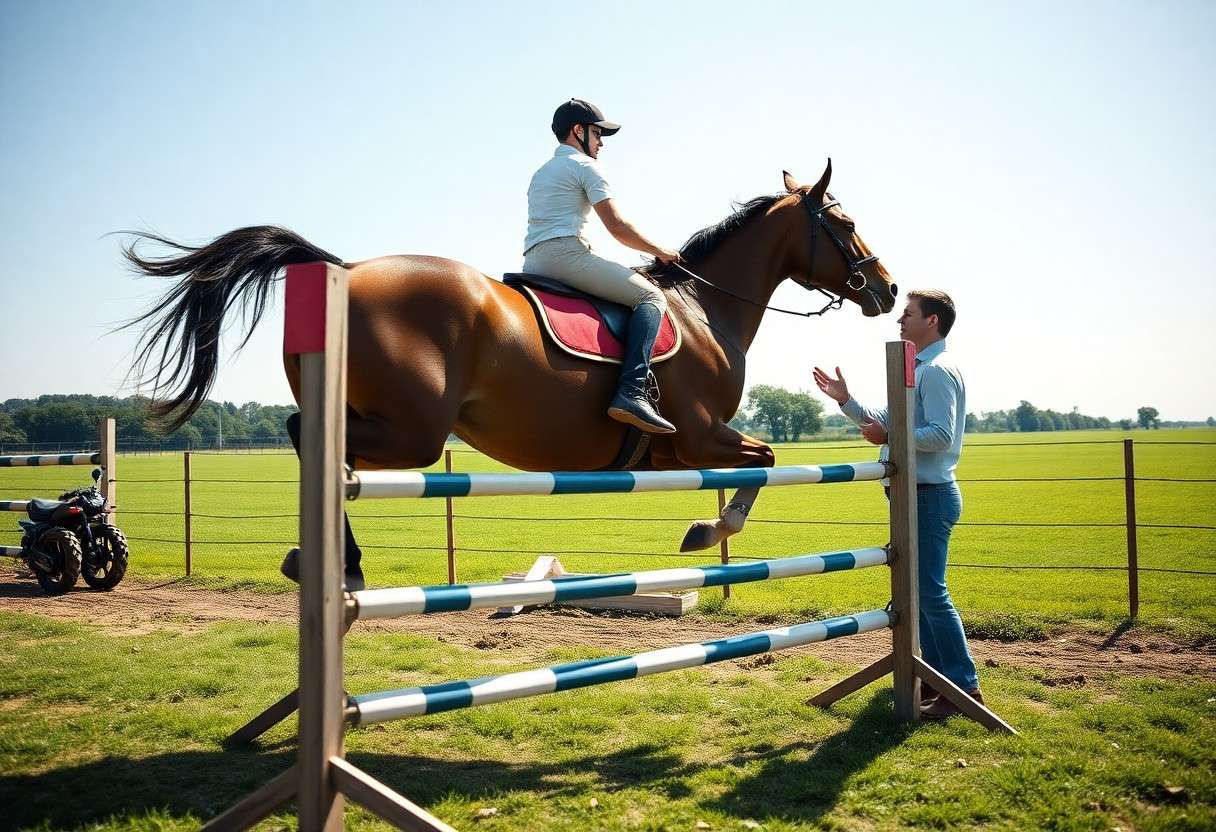
Overcoming Common Horse Riding Challenges
It’s common to encounter various challenges in your horse riding journey, and understanding how to address them can enhance your experience significantly. You may struggle with anxiety, communication with your horse, or mastering specific riding techniques. This post will guide you through effective strategies for overcoming these common hurdles. By equipping yourself with the right knowledge and skills, you can boost your confidence in the saddle. For additional resources on managing challenges, visit Problem Solving, and take your riding to the next level.
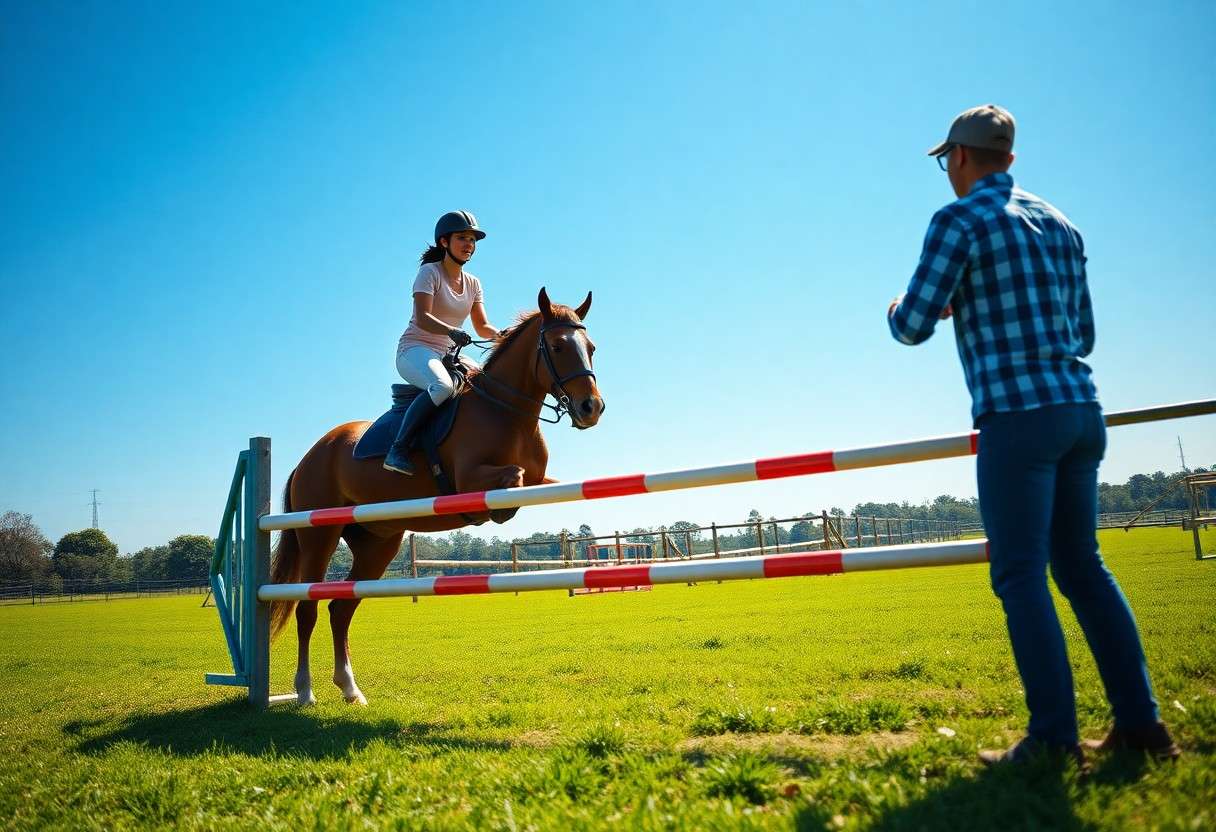
Understanding Common Challenges
For many riders, understanding the common challenges that arise during horse riding is the first step toward overcoming them. These challenges can vary widely and may include fear and anxiety, balancing and posture issues, and concerns about communication with your horse. By identifying and addressing these obstacles, you can enhance your riding experience and build a more confident partnership with your equine companion.
Fear and Anxiety
Among the most widespread obstacles riders face are feelings of fear and anxiety. Whether it’s the fear of falling, the horse’s unpredictability, or performance anxiety, these emotions can significantly impact your confidence and overall riding ability. Acknowledging these feelings and exploring strategies to manage them can help you regain control and enjoy your time in the saddle.
Balancing and Posture
Any rider will tell you that mastering balance and maintaining proper posture are fundamental aspects of effective riding. These elements not only enhance your own performance but also help create a harmonious connection with your horse, promoting better movement and communication.
Consequently, focusing on your balance and posture can significantly improve your riding experience. Practicing core strength exercises, being conscious of your alignment while mounting, and consistently checking your position while riding can help you find that ideal center of gravity. This not only benefits your ability to communicate with your horse but also increases your comfort and stability in the saddle, leading to a more enjoyable ride overall.
Developing Effective Communication with Your Horse
Some challenges in horse riding stem from misunderstandings between you and your horse. Establishing effective communication is important for developing a harmonious relationship. This involves using both physical cues and vocal signals to ensure your horse understands your intentions. By honing these communication methods, you can enhance your riding experience and build trust with your equine partner.
Body Language and Signals
Developing clear body language is vital for conveying your intentions to your horse. Your posture, balance, and movements can communicate how you want your horse to respond. Maintaining a relaxed stance, applying gentle pressure with your legs, or shifting your weight appropriately will help your horse interpret your cues effectively. Practicing these non-verbal signals can significantly improve your rides.
Voice Commands
Against the backdrop of body language, voice commands can serve as an effective way to communicate with your horse. These vocal cues, such as “walk,” “trot,” and “whoa,” can reinforce your physical signals and provide additional clarity for your horse. Consistency in your commands will help your horse learn to respond more reliably, enhancing your overall riding experience.
Considering the importance of consistent cues, you should incorporate voice commands into your riding routine. Start by using the same command each time you want your horse to perform a specific action. The repetition will help your horse associate your voice with certain movements, ultimately facilitating a deeper connection and understanding between you two. As your horse becomes familiar with the commands, you will notice a more responsive and engaged partner during your rides.
Building Confidence Through Practice
Now, as you work on building your confidence in horse riding, consistent practice is important. Engaging in regular sessions allows you to improve your skills and overcome fears. Utilize resources like 21 Horse Riding Tips for Beginners & Advanced Riders to refine your technique and boost your self-assurance. By dedicating time to practice, you will cultivate a deeper bond with your horse and enhance your riding abilities, paving the way for a more enjoyable experience.
Slow Progression Techniques
Through gradual exposure to new challenges in your riding routine, you can steadily build your confidence. Start with fundamental skills and slowly introduce more advanced exercises. This method ensures that you are not overwhelmed and allows you to celebrate small victories, reinforcing a positive experience in your horse riding journey.
Set Realistic Goals
Against the temptation to compare your progress to others, focus on setting achievable goals tailored to your skill level. By outlining specific, measurable objectives, you can track your improvement over time and maintain motivation while ensuring you’re working at a pace that feels right for you.
The key to successful goal-setting is to break larger aspirations into smaller, manageable steps. For example, instead of aiming to compete in an event immediately, focus on mastering your riding position or perfecting transitions. Each small achievement builds your confidence and creates a strong foundation for tackling more complex challenges in the future. By celebrating these milestones, you cultivate a positive mindset that supports your overall growth as a rider.
Dealing with Equipment and Tack Issues
Your success in horse riding heavily relies on the effectiveness of your equipment and tack. Regularly checking your gear can help prevent discomfort for both you and your horse. Consider potential issues like ill-fitting saddles or bridles that could impact performance. Being proactive helps in addressing these problems before they become significant obstacles in your riding journey.
Choosing the Right Saddle
Around every corner, there are various saddle types designed for specific disciplines. Selecting the right saddle involves considering factors like fit for both you and your horse, riding style, and the intended use. An appropriate saddle improves your comfort and your horse’s performance, allowing for better communication and movement during rides.
Understanding Bridle Configuration
Across the many bridle options available, understanding the right configuration is imperative for effective communication with your horse. A well-fitted bridle enables you to maintain control and ensures your horse’s comfort. It’s not just about aesthetics; the bridle’s parts must work together harmoniously to facilitate clear signals while riding.
Dealing with bridle configuration problems can lead to frustration during your rides. Correctly adjusting the headpiece, cheekpieces, and browband helps keep your horse comfortable and responsive. Pay attention to your horse’s reactions; discomfort may indicate that adjustments are needed. Familiarize yourself with the parts of the bridle and how they influence your horse’s behavior to enhance your riding experience.
Riding in Different Environments
After mastering the basics, you may find yourself in a variety of riding environments, each presenting its own set of challenges. Whether you’re navigating a busy trail or refining your technique in a controlled arena, adapting to different settings is vital for your growth as a rider. Embrace the unique experiences each environment offers, and you’ll develop confidence and versatility in your riding skills.
Trail Riding Challenges
One of the main challenges of trail riding is adjusting to the unpredictable nature of the terrain. You’ll encounter obstacles like fallen branches, steep hills, or water crossings that require you to maintain balance and control. Ensuring your horse is comfortable and confident navigating these situations will enhance both your safety and enjoyment on the trail.
Riding in a Controlled Arena
Around the arena, you will focus on precision and technique, allowing for development in your riding skills. The more structured environment can help you hone your abilities and perform specific exercises. Here, you can practice patterns, transitions, and various movements without the distractions of the outside world.
The controlled arena offers a space where you can concentrate on refining your riding skills, free from the unpredictability of the outdoors. You can work on your horse’s responsiveness to leg aids, rein cues, and transitions, all under the guidance of an instructor or trainer. Establishing a reliable rhythm and maintaining focus in this setting will significantly enhance your overall performance, preparing you for more complex tasks in varied environments.
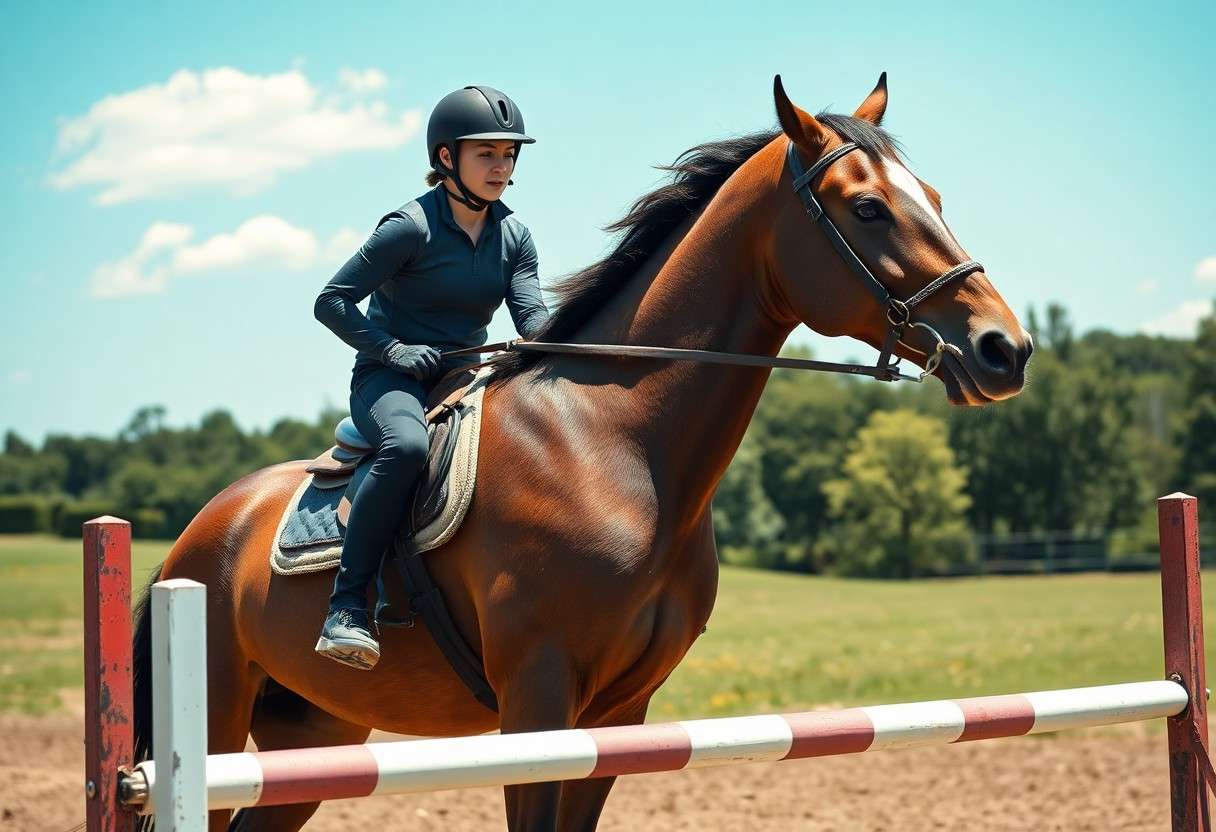
Finding the Right Instructor
Unlike finding a horse, which may involve simply choosing one that appeals to you, selecting the right riding instructor is a more nuanced process. You need to consider not just their qualifications but how well they connect with you personally and adapt to your unique learning style. A great instructor should not only enhance your skills but also foster your love for riding, making each session an enjoyable experience. Take the time to research potential instructors, read reviews, and don’t hesitate to try a few before making a decision.
Qualities of a Good Trainer
Behind every successful rider is an instructor with specific qualities that elevate the learning experience. Look for a trainer who possesses excellent communication skills, patience, and a deep understanding of equestrian principles. They should also have experience working with riders of your skill level, showing their adaptability in teaching various techniques. A good trainer cultivates a supportive atmosphere where you feel comfortable asking questions and making mistakes, important for your growth in the sport.
Ensuring Positive Learning Experiences
Beside the technical skills, it’s important for your instructor to create a positive learning environment. This includes providing constructive feedback that encourages you without overwhelming you. A supportive trainer recognizes your progress, celebrates your achievements, and helps you set realistic goals, allowing you to stay motivated throughout your journey.
Trainer interactions play a significant role in shaping your riding experience and overall enjoyment. When you engage with an instructor who prioritizes your well-being, you’re more likely to develop a strong bond, enhancing your learning process. This connection fosters a space where you feel safe to explore challenges, ask questions, and express your concerns. In turn, this leads to a healthier, more fulfilling relationship with riding, making your time spent in the saddle more rewarding.
Summing up
So, as you navigate the common challenges of horse riding, focus on building a solid foundation of skills, trust, and communication with your horse. By addressing fears, improving balance, and mastering techniques, you can transform obstacles into opportunities for growth. Consistent practice and seeking guidance when needed will enhance your confidence and performance in the saddle. Embrace the journey, and enjoy the rewarding experience that comes with mastering horse riding.


