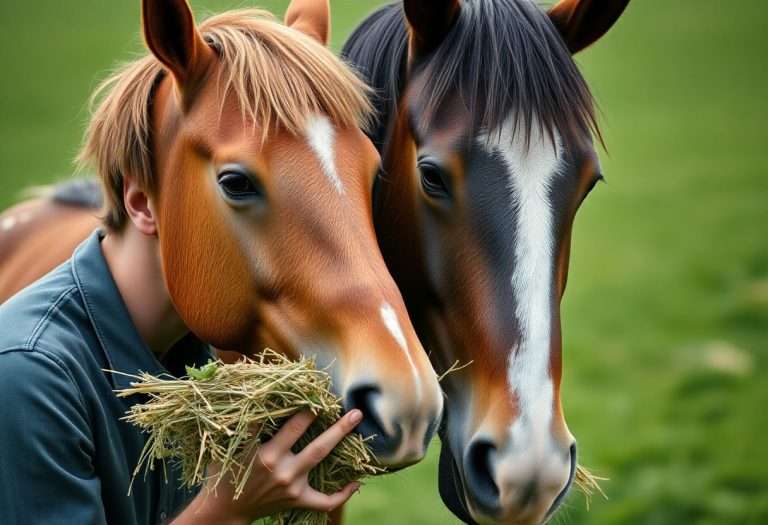
Horse Photography – Capturing Equestrian Beauty
Photography is a powerful tool that allows you to immortalize the grace and majesty of horses in stunning detail. Whether you are an avid horse lover or a professional equestrian photographer, understanding the techniques and tips for capturing these magnificent animals can elevate your skills. This blog post will guide you through vital aspects of horse photography, helping you to embrace the beauty of equestrian life while showcasing the unique personalities and dynamics of your subjects.
Understanding Horse Photography
The art of horse photography goes beyond simply capturing an image; it encompasses the emotions and connection between horse and rider, as well as the stunning beauty of these animals themselves. Understanding the various aspects of equine photography enhances your ability to create stunning visuals that tell a story.
The Importance of Equine Photography
Around the equestrian community, the significance of capturing high-quality images of horses becomes evident. Equine photography not only showcases the physical attributes and grace of these magnificent animals but also plays a vital role in marketing for breeders, trainers, and riders, enhancing their reputation and visibility.
Historical Context of Horse Photography
Photography has long been intertwined with the history of horse racing and equestrian culture. As the medium evolved, it documented pivotal moments, showcasing the speed, agility, and beauty of horses through the lens of photographers who understood their importance. Early pioneers contributed to our appreciation of these majestic creatures, helping establish equine photography as an art form.
With the rise of photography in the 19th century, equestrian images gained prominence, reflecting the cultural and social significance of horses in society. Iconic figures like Eadweard Muybridge captured motion studies of horses, laying a foundation for future photographers to explore this realm. Today, you can appreciate the continued evolution in styles and techniques that have resulted from this rich history.
Different Photography Styles in Equine Photography
Photography of horses encompasses various styles, each with its own unique appeal. From portrait captures that highlight your horse’s expression to action shots during competitions, understanding these distinctions can help you tailor your approach to best represent your subject.
Importance of recognizing different styles in equine photography means that you can choose the one that resonates most with your vision. For example, candid shots can evoke emotion and intimacy, while dramatic, edited images may create a sense of grandeur. By experimenting with these styles, you can generate compelling images that truly reflect the essence of your subject and your personal artistic expression.

Equipment and Gear
It is crucial to have the right equipment and gear when delving into horse photography, as they play a significant role in capturing the grace and beauty of these magnificent animals. You’ll want to invest in quality items that not only enhance your photography but also withstand the unique environments you encounter. For more insights on this subject, check out Horse & Equestrian Brand Photography – Ride the Sky Equine.
Camera Selection for Horse Photography
With so many cameras available, selecting the right one for horse photography is vital. Choose a DSLR or mirrorless camera that offers fast autofocus capabilities and high burst shooting rates, as these features help you capture action shots of galloping horses or intricate movements during equestrian events.
Essential Lenses for Capturing Equestrian Moments
With the right lenses, you can take your horse photography to the next level. A versatile zoom lens, like 24-70mm, allows you to capture both close-ups and wide shots, while a telephoto lens, such as 70-200mm, lets you photograph horses from a distance without disturbing them.
Plus, adopting a prime lens like a 50mm or 85mm can help you achieve stunning bokeh effects, isolating your subject against a beautifully blurred background. Moisture-resistant lenses are also beneficial when photographing in less-than-ideal weather, saving you the hassle of damaged equipment.
Accessories that Enhance Horse Photography
Enhance your photography experience with crucial accessories that make a difference. Items like a sturdy tripod provide stability, while a good quality camera strap ensures you can shoot comfortably. Don’t overlook items like a lens cleaning kit, which helps maintain your gear and keeps your images crisp and clear.
In fact, investing in reflectors or diffusers can help manage natural light, allowing you to eliminate harsh shadows and create a soft glow around the subjects. These accessories can significantly improve the quality of your images and elevate your artistic approach.
Lighting Considerations for Equestrian Photography
That being said, understanding lighting is vital in horse photography. Natural light is your friend, so try to shoot during the golden hour—early morning or late afternoon—when the sunlight is softer and warmer. It’s also important to be aware of the position of the sun, as backlighting can create dramatic effects if managed properly.
Gear yourself with external flashes or reflectors if you find yourself in low-light conditions, ensuring that your equestrian subjects are well-illuminated. Experimenting with various lighting scenarios will help you unlock your unique photographic style while capturing the charm of the equestrian world.

Techniques for Capturing Horses
Keep in mind that equestrian photography requires a blend of artistry, technique, and understanding. Apply the following methods to enhance your skills in capturing the essence of horses in their natural beauty.
Understanding Horse Behavior for Better Shots
At the heart of capturing stunning horse photographs is your ability to understand their behavior. Spend time observing them to recognize their moods and movements, which will enable you to anticipate moments that are worth capturing. This familiarity will lead to more authentic and compelling images.
Tips for Capturing Action Shots
Beside understanding behavior, achieving great action shots of horses involves technique and timing. Here are some tips:
- Use a fast shutter speed to freeze motion.
- Choose appropriate framing to highlight the horse’s movement.
- Focus on their legs during jumps to show power and speed.
Recognizing these elements will help you capture those exhilarating moments beautifully.
Also, consider the environment around the horse when shooting action shots. Avoid distractions in the background and try to capture them in a setting that enhances their movement. You might also want to follow these additional tips:
- Use continuous shooting mode for a sequence of shots.
- Position yourself at the right angle for dynamic images.
- Experiment with panning to convey speed and motion.
Recognizing the right approach can significantly heighten the drama of your action photography.
The Art of Posing Horses
Below are some techniques for posing horses that can elevate your photos. Achieving a great pose requires patience and creativity, as you will need to guide the horse and your environment to complement one another.
Further, it’s imperative to create a comfortable atmosphere for the horse. Utilize treats and gentle commands to encourage them into striking poses. Evaluate the setting to find angles that showcase the horse’s best attributes, ensuring that everything is well-coordinated for a natural, relaxed look. Utilize these techniques to achieve the poses you want.
Utilizing Natural Light vs. Flash Photography
Horses are more photogenic when bathed in natural light, which illuminates their features and highlights their movements. It’s imperative to choose the right time of day, typically the golden hour, to achieve softer, warmer tones.
Hence, while flash can be useful indoors or in low-light situations, it can also create harsh shadows and startling reflections. Natural light generally provides a more flattering profile of the horse, allowing you to capture its true beauty without disruption. Understanding the balance between these two lighting techniques will enhance your photographic outcomes.

Composition and Framing
Not just about capturing a moment, composition and framing elevate your equestrian photography, allowing you to convey emotion and beauty. Integrating principles like the Golden Ratio and Rule of Thirds can help you create balanced and visually appealing images.
Golden Ratio and Rule of Thirds in Equestrian Photography
Above all else, employing the Golden Ratio and Rule of Thirds can significantly enhance your compositions. By dividing your frame into grid lines, you can position your subject along these lines or at their intersections to create harmony and draw the viewer’s eye effectively.
Finding the Right Angles
By exploring various angles, you can discover unique perspectives that highlight the elegance and strength of horses. Experimenting with low, high, or side views often yields striking results, allowing you to capture the animal’s character and the dynamic of movement.
Further, consider the horse’s action and environment when selecting your angle. For instance, a low angle might accentuate the power of a galloping horse, while a high vantage point can emphasize its surroundings, creating context and depth in your shots. Each angle tells a different story, engaging the viewer on multiple levels.
Incorporating the Environment in Your Shots
Incorporating your surroundings can transform your equestrian photography from simple portraits to vivid storytelling images. Use natural elements like fields, stables, or trails to create a contextual backdrop that enhances the subject’s beauty and evokes emotion.
Plus, being mindful of your environment allows you to utilize it creatively. Framing your horse against a sunset or lush greenery not only adds depth but also complements the subject’s colors and movements. Consider how the environment interacts with the horse, guiding the viewer’s attention and enriching the imagery with layers of meaning.
Close-ups vs. Wide Shots
To balance your portfolio, experiment with both close-ups and wide shots. Close-ups can capture the intricacies of a horse’s features, conveying intimacy, while wide shots offer context and showcase the beauty of the equestrian landscape.
Hence, alternating between these two styles allows you to tell a more comprehensive story. Close-ups focus on emotions and details, while wide shots give context and show the relationship between horse and rider. Together, they create a dynamic visual narrative, engaging your audience on various levels and deepening their appreciation for the beauty of equestrian life.
Post-Processing and Editing
To truly elevate your horse photography, post-processing and editing play a vital role. With the right techniques, you can enhance the natural beauty of your equestrian subjects, ensuring that each image reflects the grace and power of these magnificent animals.
Software Options for Editing Horse Photography
Against popular belief, you don’t have to be a tech guru to find effective software for editing horse photography. Programs like Adobe Lightroom and Photoshop are industry standards, but user-friendly alternatives such as GIMP and Capture One can also help you achieve impressive results.
Basic Editing Techniques for Beginners
Among the necessary techniques you should focus on are adjustments to exposure, contrast, and color balance, allowing your images to accurately portray the horse’s environment and spirit.
Software options you choose can significantly affect how easily you can learn these techniques. For beginners, looking for programs with intuitive interfaces is key. Once you’re comfortable with basic tools like cropping and color correction, you’ll find it easier to create stunning images that convey the beauty of horses.
Advanced Editing Techniques for Professionals
Against standardized practices, professional editing involves intricate techniques that can take your horse photography to the next level. Mastery of these skills allows for a refined presentation that highlights your unique vision.
| Layering | Create complex edits using multiple layers. |
| Masked Adjustments | Selectively enhance or diminish areas within your image. |
| Frequency Separation | Separate image texture from color detail for smoother skin tones. |
| Plugin Utilization | Enhance your workflow with specialized tools like Nik Collection. |
| Sharpening Techniques | Fine-tune the details without compromising quality. |
Consequently, as you progress through advanced techniques, you’ll discover how to manipulate your images with precision, creating final products that can stand out in both print and digital formats. Experiment with various approaches and find what resonates best with your artistic vision.
Preparing Images for Print and Web
Above all, knowing how to prepare your images for print and web is necessary in ensuring they look great across different platforms. This involves understanding resolution, size, and color profiles to keep your work consistent and professional.
Beginners often overlook that images destined for print require higher resolution compared to those for digital viewing. Aim for a minimum of 300 DPI for prints and adjust sizing accordingly. Additionally, consider using sRGB color profiles for web images to maintain color accuracy. This foundational knowledge will set the stage for creating compelling visuals that showcase the beauty of horses effectively.
Selling and Marketing Your Work
Once again, showcasing your equestrian photography requires not only skill behind the lens but also a strategic approach to selling and marketing your work. A strong online presence can help you reach a larger audience, so consider exploring platforms where you can showcase your portfolio, such as Giana Terranova Photography: Equestrian …. You’ll want to appeal to horse lovers and equestrian professionals alike.
Building a Portfolio for Horse Photography
Photography is an art that thrives on showcasing your best work. Start by assembling a diverse portfolio that highlights various equestrian disciplines and styles. Include action shots, candid moments, and posed portraits to attract potential clients who appreciate your unique perspective and artistic flair.
How to Market Your Equestrian Photography
Photography marketing is necessary in gaining visibility. Use social media platforms, create a professional website, and attend local equestrian events to network with potential clients. Engaging with your audience through blog posts and educational content about horse care or photography techniques can further bolster your reputation.
To effectively market your equestrian photography, consider leveraging social media platforms like Instagram and Facebook where livestock and horse enthusiasts congregate. Share vibrant images, behind-the-scenes content, and offer insights into your creative process. Utilizing hashtags can also help you reach targeted audiences looking for equestrian photography.
Networking within the Equestrian Community
Building relationships within the equestrian community can significantly enhance your exposure. Attend local events, horse shows, and workshops to connect with riders, trainers, and other photographers. Engaging with the community not only establishes trust but also opens doors for collaborations and referrals.
Portfolio building within the community means establishing connections with riders and stables. Approach local horse owners, offer introductory sessions, and foster relationships with trainers that can lead to shoots. By becoming a part of the community, you’ll increase your chances of gaining repeat clients and referrals.
Understanding Copyright and Licensing
After you have created and marketed your work, it’s necessary to understand the legal aspects of your photography. Know your rights regarding your images and how you can protect them through appropriate licensing agreements, which will help you maintain control over how your photography is used by others.
Selling your work means being aware of copyright issues and licensing processes. When you sell prints or digital images, include clear terms regarding usage rights to protect yourself and ensure that your clients understand how they can use the images. This clarity can prevent misunderstandings and disputes down the line.
Summing up
The art of horse photography offers you a unique opportunity to capture the beauty and spirit of these magnificent creatures. By understanding light, angle, and the horse’s natural behavior, you can create stunning images that resonate with equestrian enthusiasts and novices alike. Whether you’re seeking to document a competitive event or simply showcase the grace of your personal horse, your focus on technique and emotion will enable you to create memorable photographs that reflect the equestrian world’s allure.