

Horse Pest Control – Flies and Insects
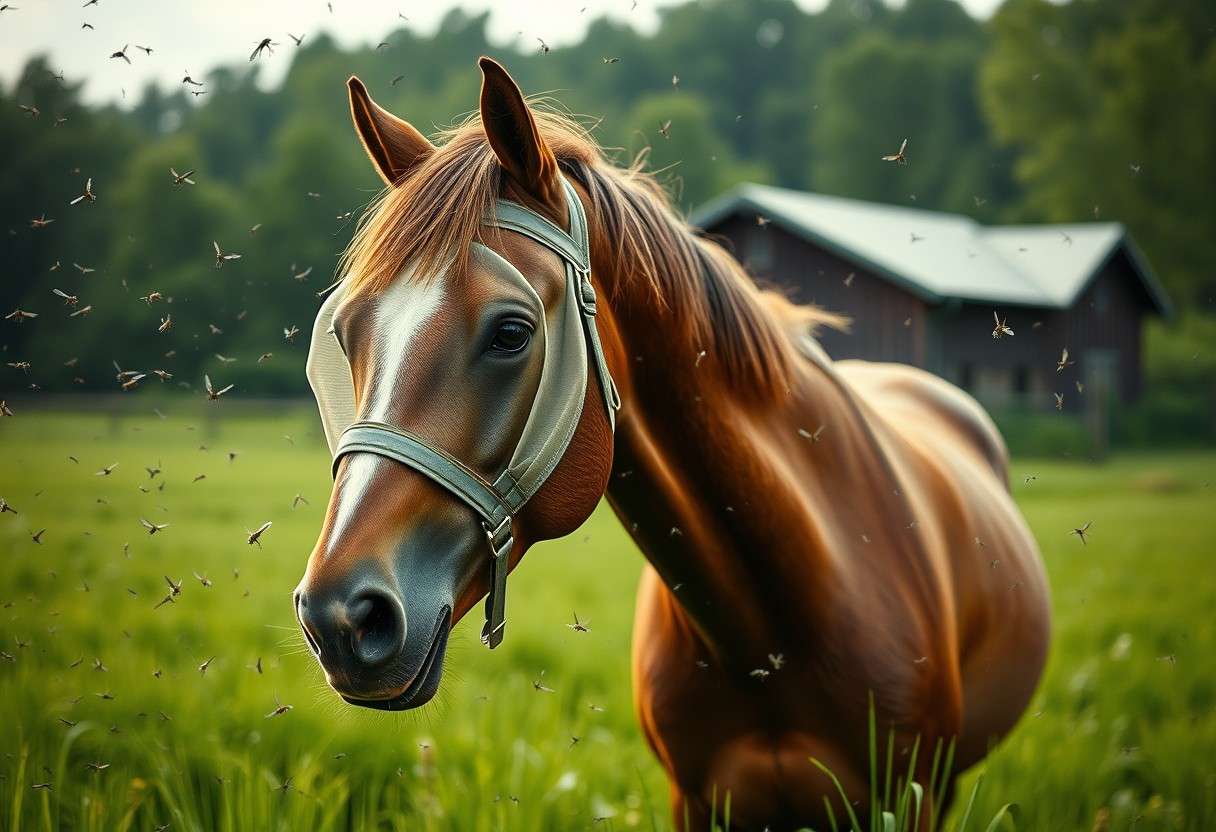
Most horse owners understand the nuisance flies and other insects can pose to your equine friends. These pests not only cause discomfort but can also lead to health issues such as skin irritations and the transmission of diseases. In this blog post, you will learn effective strategies to combat these pests, ensuring your horse remains healthy and comfortable. From proper stable management to the use of repellents and natural solutions, this guide provides you with the tools you need for effective horse pest control.

Understanding Horse Pests
The management of horse pests is imperative for maintaining the health and comfort of your equine companions. Various insects and flies can pose a significant threat to horses, leading to discomfort, stress, and even serious health issues. By understanding the types of pests that commonly affect horses, you can take proactive measures to protect your animals from infestations and their adverse effects.
Common Flies Affecting Horses
Flies are among the most prevalent pests that affect horses, causing irritation and potentially transmitting diseases. Common species like the stable fly and horse fly not only bite but can lead to behavioral issues due to constant annoyance. Keeping your barn and surrounding areas clean can help reduce their populations significantly.
Other Harmful Insects
On top of flies, your horse may also encounter various harmful insects that can impact its health. These pests include ticks, mosquitoes, and certain beetles, all of which can transmit diseases or cause allergic reactions. Understanding the threats these insects pose can help you develop effective pest control strategies.
For instance, ticks can latch onto your horse and transmit serious diseases such as Lyme disease, while mosquitoes are notorious for spreading West Nile virus. Keeping an eye out for these insects and regularly checking your horse for bites or irritations can safeguard them from illness. Additionally, implementing barriers, like fly sheets or insect repellents, can further protect your horse from these harmful bugs.
Impact of Flies and Insects on Horses
Some common flies and insects can significantly harm your horse’s health and well-being. They cause discomfort, leading to stress, decreased performance, and even illness. For effective solutions, consider exploring Horse & Livestock Pest Control options that can keep these pests at bay.
Health Risks
Horses are at risk from various health issues caused by flies and insects, including skin irritations, infections, and diseases such as West Nile Virus. Continuous exposure to these pests can lead to severe discomfort, making it imperative to monitor and manage their presence in your horse’s environment.
Behavioral Changes
Health risks aside, the presence of flies can lead to noticeable behavioral changes in your horse. You may observe increased agitation, restlessness, and decreased focus during training sessions or riding due to the constant annoyance of biting insects.
Flies can dramatically affect your horse’s temperament, often leading to frustration and anxiety. You might notice your horse stamping its feet, swishing its tail excessively, or even attempting to flee from areas swarming with pests. Such behavioral alterations not only affect your horse’s daily routine but can also pose challenges during rides and competitions, highlighting the importance of effective pest control measures.
Preventative Measures
Assuming you want to keep your horse comfortable and healthy, taking preventative measures against flies and insects is imperative. Effective control combines various strategies including environmental management, stable maintenance, and regular health checks. By implementing these practices, you can create a less hospitable environment for pests, helping to minimize their impact on your horse’s wellbeing.
Environmental Management
For successful pest control, focus on managing the environment around your stable. This includes removing standing water where insects breed, maintaining a tidy area free from debris, and using natural barriers like plants that repel pests. Additionally, consider using fly traps and beneficial insects to keep the pest population in check.
Stable Maintenance
Maintenance of your stable is crucial for reducing insect invasions. Regularly cleaning your stalls and ensuring proper ventilation not only creates a comfortable environment for your horse but also deters flies and other pests. Applying insecticides and repellents thoughtfully can further enhance your protection, but always ensure they are safe for your horses.
Stable cleanliness plays a pivotal role in managing pests. By consistently mucking out stalls, removing droppings, and ensuring bedding is dry and fresh, you can disrupt the breeding cycle of flies and insects. Additionally, inspect the stable for any cracks or openings that may serve as entry points for pests. Regularly washing the stable floor can also help eliminate eggs and larvae, creating a healthier living space for your equine friend. Keeping your horse’s environment as pest-free as possible will significantly improve their comfort and health.
Treatment Options
Once again, addressing horse pests is vital for your horse’s comfort and health. You have various treatment options available to keep flies and insects at bay, ensuring a safe environment for your equine companion. Consider exploring Horse Fly & Insect Control products that cater to your specific needs.
Chemical Repellents
With numerous chemical repellents on the market, you can effectively deter flies and insects from bothering your horse. These products often contain active ingredients such as pyrethrin or permethrin, providing a protective barrier that keeps pests away. When deciding on a chemical repellent, ensure it’s safe for your horse and suitable for the environment.
Natural Remedies
An increasing number of horse owners are turning to natural remedies to combat flies and insects. These alternatives often include vital oils, vinegar, and herbal mixtures, which can be effective in repelling pests without harmful chemicals. Natural remedies can also be easier on your horse’s skin and overall health, promoting a more holistic approach to pest control.
Repellents derived from natural ingredients can be a great way to keep your horse protected while minimizing the use of synthetic chemicals. Consider options like citronella, eucalyptus, and even garlic-based remedies, as they can create an unpleasant environment for insects. Always test any new remedy on a small area of your horse’s skin to ensure no adverse reactions before widespread application.
Integrated Pest Management (IPM)
Keep in mind that Integrated Pest Management (IPM) is a holistic approach to managing pests while minimizing environmental impact. By combining multiple strategies, you can effectively control flies and insects around your horses while promoting a healthy ecosystem. This balanced method prioritizes prevention, monitoring, and intervention to reduce pest populations, ensuring that your horses remain comfortable and safe.
Monitoring and Identification
Management of pest issues begins with accurate monitoring and identification. You should regularly inspect your horses and their environments to pinpoint signs of infestations. Identifying specific pests will enable you to understand their life cycles and behavior, allowing for more targeted and effective management strategies.
Implementing Control Strategies
Implementing control strategies is crucial for successfully managing pest populations. You can choose a combination of cultural, biological, and chemical methods tailored to your specific situation. Regularly revisiting and adjusting these strategies based on monitoring data will increase effectiveness while reducing reliance on chemical solutions.
Strategies may include maintaining cleanliness in your horse’s living area, using natural predators like ladybugs, or applying targeted insecticides as a last resort. By fostering an environment that discourages pest populations and employing responsible management tactics, you will not only protect your horses but also contribute to overall ecosystem health.
Best Practices for Long-Term Control
After understanding the various methods of pest control, you can implement best practices to maintain a fly and insect-free environment for your horse. Regularly monitoring your horse’s living area, combining natural and chemical deterrents, and adhering to a strict cleaning routine are important. Creating a barrier through proper landscaping and using fly sheets can significantly reduce infestations. By establishing these practices, you can ensure long-term control and a healthier, more comfortable space for your horse.
Seasonal Adjustments
One effective way to enhance your pest control efforts is to make seasonal adjustments. As insects go through their life cycles, their activity levels can change significantly with the seasons. During warmer months, increased fly populations may require you to use stronger deterrents or traps, while cooler weather may allow for lighter maintenance. By tailoring your strategies to the season, you can maximize their effectiveness.
Collaboration with Veterinarians
Seasonal adjustments can also benefit from collaboration with veterinarians who understand the specific pest pressures in your area. Engaging your vet allows you to receive personalized recommendations for your horse’s needs and any emerging infestations. Your veterinarian can offer insights into the latest preventative treatments and products available, ensuring you are well-equipped to safeguard your horse’s health. This partnership not only strengthens your pest control strategy but also provides reassurance that your horse remains healthy and comfortable.
The collaboration with veterinarians extends beyond seasonal guidance, as they can help you identify specific pests that may impact your horse’s health. Regular wellness checks can detect early signs of pest-related issues, allowing for timely intervention. Additionally, your veterinarian may inform you about any local outbreaks of pests or diseases, enabling you to adapt your strategies accordingly. Investing time in this relationship ensures that you have the most up-to-date information and solutions, ultimately promoting the well-being of your horse throughout the year.
Final Words
Drawing together the insights on horse pest control, it’s vital for you to actively manage flies and insects to ensure your horse’s health and comfort. By understanding the behaviors and life cycles of these pests, you can implement effective prevention strategies such as regular grooming, using insect repellents, and maintaining a clean environment. Do not forget, your proactive measures not only protect your horse but also contribute to a more pleasant and bug-free area. Arm yourself with knowledge and tools, and stay ahead of the pests to create the best possible habitat for your equine companions.


