

Heavy Horse Breeds and Their Uses
You may be surprised to learn that heavy horse breeds are not just gentle giants; they have played an crucial role in various industries throughout history. Known for their strength and endurance, these breeds excel in tasks such as heavy pulling, draft work, and even agricultural activities. In this post, you’ll discover the characteristics of popular heavy horse breeds and explore their diverse applications, enabling you to appreciate these magnificent animals in a whole new light.
Overview of Heavy Horse Breeds
The world of heavy horse breeds is rich and diverse, encompassing a variety of animals known for their strength, size, and versatility. These horses have historically played vital roles in agriculture, transportation, and even war. Whether you’re interested in their majestic stature or their practical uses, heavy horses offer unique benefits that can enhance your experience, whether you’re a horse owner or an enthusiast.
Characteristics of Heavy Horses
The defining characteristics of heavy horses include their substantial build, powerful musculature, and calm demeanor. Typically, they possess broad chests and strong legs, enabling them to carry heavy loads and pull substantial weights. Their gentle nature often makes them suitable for various activities, whether in competitive events or leisurely farm tasks, giving you plenty of options for their use.
Popular Heavy Horse Breeds
An array of popular heavy horse breeds showcases the variety within this category, each with its unique traits and history. Some of the most well-known breeds include the Clydesdale, Shire, Percheron, and Belgian. Each breed serves specific functions, ranging from draft work to riding, ensuring that you can find a breed that aligns with your needs and preferences.
Plus, each breed offers distinctive qualities that can make them a great addition to your interests. For example, Clydesdales are famous for their striking appearance and gentle personality, while Belgians are renowned for their incredible strength and stamina. If you are drawn to the elegance of the Shire, you’ll find they possess a calm disposition and versatility. Understanding these breeds will help you make an informed decision, whether for work, recreation, or companionship.
Historical Significance of Heavy Horses
You may be surprised to learn that heavy horse breeds played a pivotal role in shaping societies throughout history. These magnificent animals supported agricultural practices and transformed transportation methods, ultimately aiding in the development of modern civilization. Their great strength and endurance made them indispensable in both rural and urban settings, ensuring that they were honored and valued by various cultures over time.
Roles in Agriculture
Across the ages, heavy horses have been integral to agricultural practices, serving as reliable workhorses in plowing fields, pulling harvesters, and transporting goods. Their substantial size and strength allowed farmers to cultivate larger plots of land efficiently, leading to increased productivity and sustainable farming methods that supported growing populations. This reliance on heavy horses underscores their importance in the agricultural landscape.
Influence on Transportation
Between the 18th and 19th centuries, heavy horses became vital to the evolution of transportation networks. Their power enabled people to move goods over long distances, paving the way for enhanced trade and commerce. With their ability to pull heavy loads, these breeds not only facilitated the growth of cities but also transformed how people experienced mobility and connectivity across regions.
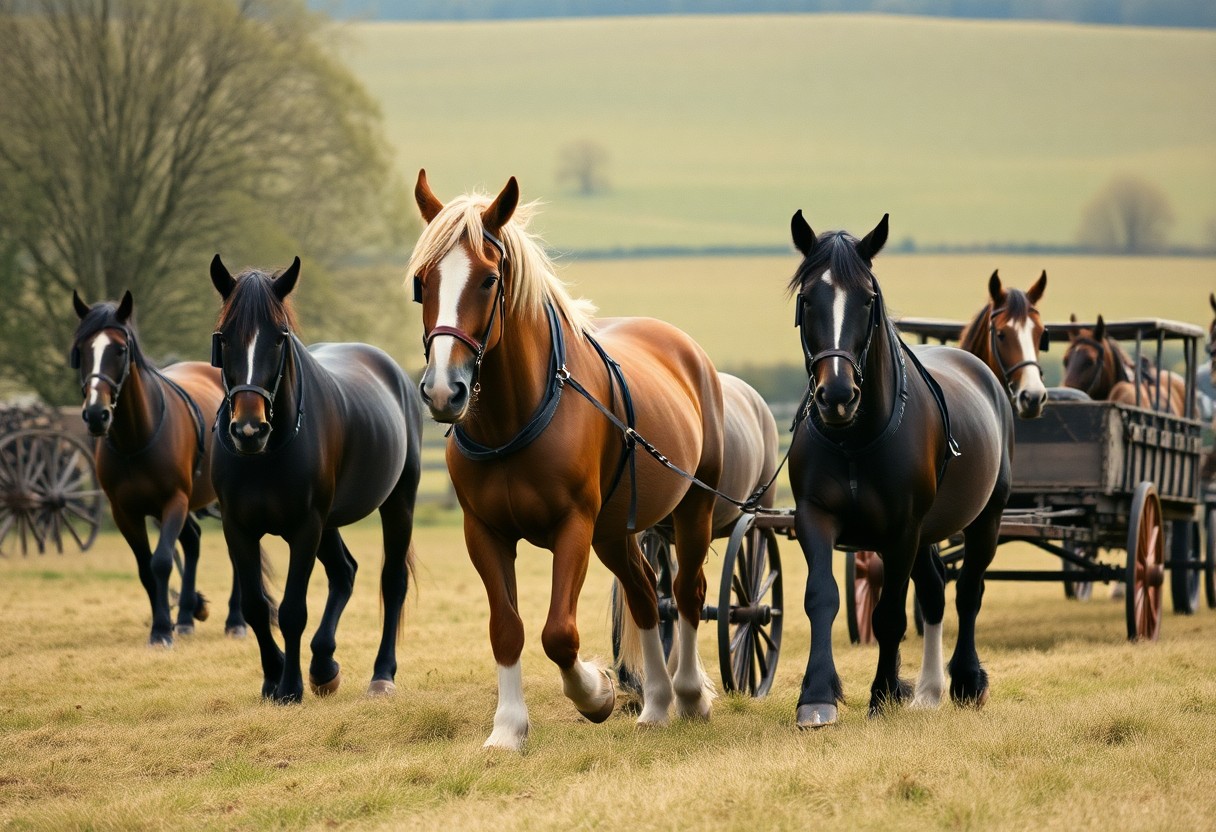
Agriculture paved the way for the emergence of advanced transportation systems, significantly influenced by heavy horse breeds. As urban centers expanded, the demand for dependable transport increased, driving the need for these powerful animals. With their ability to draw carts and wagons loaded with produce, heavy horses helped connect rural areas to burgeoning markets, playing a monumental role in the economic development of societies. Their reliability and strength also fostered the growth of postal systems and commercial transport, reflecting the profound impact they had on mobility during that era.
Modern Uses of Heavy Horses
If you’ve ever considered the versatility of heavy horse breeds, you’ll find they play important roles in various aspects of modern life. From farming to recreational activities, these powerful animals are still valued for their strength and unique abilities, proving that they are more than just a relic of the past. Their demand continues to grow as people seek sustainable alternatives and meaningful connections with these majestic creatures.
Work in Farming and Logging
The resurgence of heavy horses in farming and logging showcases their impressive strength and gentleness. These breeds excel in pulling heavy equipment, transporting materials, and performing tasks that require agility in tight spaces, often leaving a lighter environmental footprint compared to modern machinery. Their ability to work in diverse terrains makes them indispensable for sustainable agriculture and eco-friendly logging operations.
Contributions to Leisure and Recreation
One of the most enjoyable and rewarding aspects of heavy horses is their role in leisure and recreation. Many people find joy in riding, driving, or simply spending time with these gentle giants, forming unique bonds that enhance your connection to nature.
Due to their calm demeanor and unwavering strength, heavy horses are often involved in various recreational activities such as trail riding, carriage driving, and farm shows. Their reliable nature makes them suitable for families, beginners, and experienced riders alike. Moreover, engaging in these activities not only promotes fitness and well-being but also fosters a deeper appreciation for the capabilities and temperaments of heavy horse breeds.
Health and Care Considerations
Despite their impressive stature and strength, heavy horse breeds require attentive care to ensure their well-being. Regular veterinary check-ups, hoof care, and vaccinations are crucial components of their health management. Additionally, maintaining a clean living environment and providing ample space for exercise are vital to prevent various health complications.
Nutritional Needs
At the heart of maintaining your heavy horse’s health is a well-balanced diet tailored to their specific needs. They typically require higher quantities of forage, such as hay or pasture, alongside nutrient-rich grains and supplements to support their substantial muscle mass and energy levels.
Common Health Issues
On the topic of health concerns, heavy horse breeds are susceptible to several issues, including obesity, laminitis, and joint problems. Their significant weight and build can strain their joints and hooves, leading to discomfort or chronic conditions.
Further investigation into common health issues reveals that obesity is particularly prevalent in heavy horses due to their slow metabolism and tendency to overeat. Regular exercise and careful management of their diet are vital to maintaining a healthy weight. Additionally, laminitis can arise from poor diet and limited mobility, making it crucial for you to monitor your horse’s condition closely. Understanding these common health issues will enable you to take proactive steps to keep your heavy horse healthy and thriving.
Training Techniques for Heavy Horses
For effective training of heavy horse breeds, a combination of patience, consistency, and understanding of their unique physical attributes is necessary. These majestic animals require tailored approaches that account for their strength and temperament, ensuring a harmonious partnership between you and your horse. Implementing specific training techniques can enhance performance in various tasks, whether for work or leisure.
Basic Training Principles
About training heavy horses, it’s important to establish trust from the beginning. Start with groundwork exercises to familiarize your horse with commands and space, followed by proper saddling techniques and loading procedures. Maintaining a calm demeanor yourself sets the tone for effective communication. Keep sessions short yet engaging to promote positive learning experiences.
Advanced Training for Specific Uses
Advanced training for specific uses allows you to fine-tune your heavy horse’s skills depending on your intended purpose. This may include agility work for draft horses or specialized movements for competition in parades or pulling contests. Your training should be adapted to match your horse’s strengths and weaknesses, ensuring they excel in their designated role.
Training Focus Areas
| Skill Area | Description |
| Draft Work | Training for hauling and pulling tasks |
| Driving | Teaching commands for driving vehicles |
| Riding | Building confidence and comfort under saddle |
Due to the size and strength of heavy horses, specialized training techniques are beneficial to fully capitalize on their abilities. Incorporating exercises that enhance their balance, coordination, and work ethic will prepare them for specific activities you plan. These techniques often include:
Advanced Training Methods
| Training Method | Purpose |
| Obstacle Courses | Enhances agility and responsiveness |
| Weight Pull Training | Builds strength and endurance |
| Timed Drill Work | Improves speed and precision |
Preservation and Breeding of Heavy Horses
Many enthusiasts and organizations recognize the importance of preserving heavy horse breeds. With their unique characteristics and historical significance, these breeds require dedicated breeding strategies to ensure their survival. Resources such as A Bit about Draft Horses provide valuable insights into their care and management. By promoting awareness and responsible ownership, you can contribute to the ongoing efforts to maintain these majestic animals for generations to come.
Conservation Efforts
By highlighting the significance of heavy horse breeds, various organizations are actively involved in conservation efforts. These initiatives often include habitat preservation, educating the public, and creating awareness about the unique qualities of these breeds. By participating in community events or volunteering at local breeding facilities, you can help promote conservation and support these noble animals.
Breeding Programs
Besides conservation, structured breeding programs play a vital role in preserving heavy horses. These programs aim to maintain genetic diversity and promote the breeding of healthy, strong animals. By participating in or supporting these initiatives, you contribute to the continued success of heavy horse breeds.
To ensure the success of breeding programs, many organizations focus on careful selection and monitoring of breeding pairs. This involves assessing not just the physical traits but also the temperament and health of each horse. By promoting ethical breeding practices, these programs help safeguard the future of heavy horses, enabling you to enjoy their beauty and strength while preserving their legacy for future generations.
To wrap up
Following this exploration of heavy horse breeds and their diverse uses, you can appreciate how these majestic animals have historically contributed to agriculture, transportation, and even modern recreational activities. Understanding the strengths and characteristics of each breed can help you select the right horse for your needs, whether you seek a powerful workhorse or a reliable companion. By embracing these incredible animals, you enhance your experiences and connect with a long-standing heritage that celebrates their versatility and strength.


