

Equestrian Therapy – Benefits and Programs
Just as you explore the world of alternative therapies, you might find that equestrian therapy offers unique benefits for emotional and physical well-being. This form of therapy utilizes interaction with horses to promote healing, enhance personal growth, and improve overall quality of life. Through various programs tailored to your specific needs, you can experience gains in areas such as confidence, communication skills, and physical coordination. In this post, we will probe into the benefits and programs available in equestrian therapy, allowing you to discover how horseback riding can impact your journey to wellness.
Understanding Equestrian Therapy
Your journey into Equestrian Therapy begins with a clear understanding of what it encompasses.
Definition of Equestrian Therapy
Among various therapeutic practices, Equestrian Therapy is a unique approach that utilizes horseback riding and interactions with horses as a means to improve physical, emotional, and social well-being.
Historical Background
The origins of Equestrian Therapy can be traced back to ancient civilizations, where horses were revered not only for their utility but also for their beneficial effects on human health.
At the forefront of this practice’s development was the realization that horseback riding could aid in physical rehabilitation and enhance emotional healing. In the 20th century, this method gained official recognition, with programs structured to support individuals with developmental, emotional, and physical challenges. Today, numerous organizations around the world offer structured Equestrian Therapy sessions, showcasing its profound impact on varied populations.
Types of Equestrian Therapy
Your exploration of Equestrian Therapy reveals multiple types, each catering to different needs and goals.
- Equine-Assisted Therapy
- Therapeutic Riding
- Hippotherapy
- Equine-Facilitated Psychotherapy
- Competitive Riding Programs
Assume that each type has its own set of techniques and outcomes designed to address specific client needs.
| Type | Description |
|---|---|
| Equine-Assisted Therapy | Combines therapeutic practices with equine involvement for emotional and social growth. |
| Therapeutic Riding | Focuses on improving riders’ physical skills through structured riding lessons. |
| Hippotherapy | Utilizes the movement of the horse to achieve specific therapeutic goals. |
| Equine-Facilitated Psychotherapy | Incorporates horses to facilitate therapeutic dialogue and emotional growth. |
| Competitive Riding Programs | Encourages skill development and social interaction through competitive events. |
About your choice of therapy type, it’s vital to consider the specific outcomes you’re seeking.
This varied approach ensures that you can find a program tailored to your unique needs. Each type has its methods and benefits, from improving physical mobility to enhancing emotional regulation.
- Focus on personal goals
- Engage in training for specific needs
- Connect with licensed professionals
- Prioritize safety in all activities
- Participate in support groups if needed
Assume that the right guidance will enhance your experience with Equestrian Therapy significantly.
| Type | Description |
|---|---|
| Focus on personal goals | Target your unique emotional and physical challenges through tailored exercises. |
| Engage in training for specific needs | Work with trained professionals to develop targeted skills. |
| Connect with licensed professionals | Ensure quality and safety by working with certified therapists and instructors. |
| Prioritize safety in all activities | Adhere to best practices in every aspect of equestrian activities. |
| Participate in support groups if needed | Engage with others on a similar journey for emotional support and sharing experiences. |
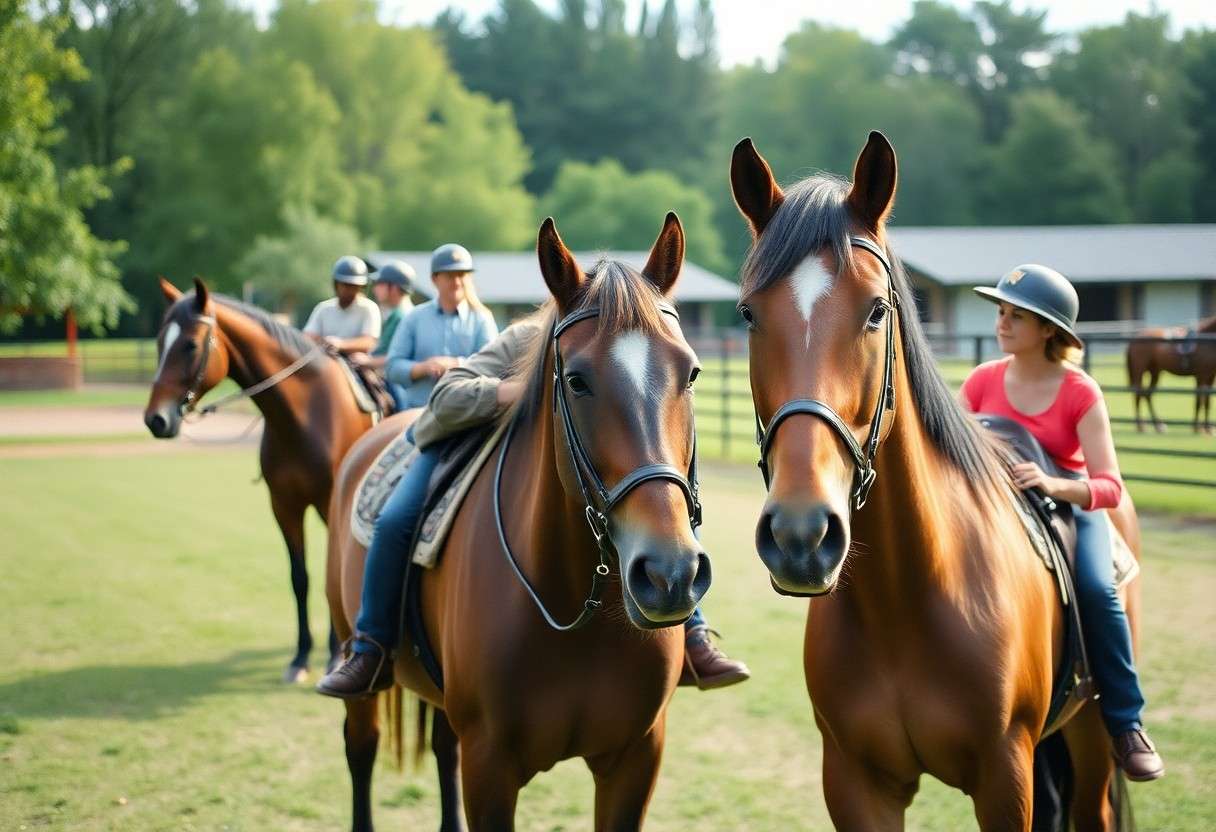
Therapeutic Benefits
Even in moments of distress, the bond you form with horses during equestrian therapy can lead to transformative healing. This approach offers several therapeutic benefits, catering to various physical, emotional, and social needs. For a deeper insight, explore the Benefits of Equine Therapy: Lessons Only Horses Can Teach.
Physical Benefits
After engaging in equestrian therapy, you may notice improvements in your physical health. Activities such as riding and grooming require balance, coordination, and strength, which can help enhance your motor skills and overall fitness levels.
Emotional Benefits
Along with physical gains, equestrian therapy offers profound emotional support. The mere presence of a horse can promote feelings of calm and reduce anxiety. As you work with these gentle creatures, you begin to foster self-awareness and emotional resilience.
Strengthening your emotional intelligence is one of the greatest gifts that equestrian therapy can provide. By helping you recognize and process your feelings, these interactions can lay the groundwork for improved emotional regulation and a healthier mindset, allowing you to navigate life’s challenges more effectively.
Social Benefits
Below the surface of individual therapy, equestrian programs create a unique social environment. You often find yourself interacting with other participants, fostering a sense of community and belonging that can be beneficial to your overall well-being.
Therapeutic activities involving horses can help you enhance your social skills by encouraging communication and teamwork. As you share experiences with fellow participants, you build trust and rapport, nurturing connections that may extend beyond the therapy setting and support you in your journey toward wellness.

Populations that Benefit from Equestrian Therapy
To fully appreciate the impact of equestrian therapy, it’s crucial to recognize the diverse populations that can experience its benefits. From children to veterans, this unique therapeutic approach offers a supportive environment for various groups, enhancing both physical and emotional well-being.
Children with Autism Spectrum Disorders
Before beginning equestrian therapy, many children with Autism Spectrum Disorders (ASD) often struggle with communication and social skills. Interacting with horses enhances sensory processing and promotes emotional regulation, allowing these children to build confidence and engage more effectively with others.
Veterans with PTSD
Below the surface, veterans dealing with PTSD can find solace and healing through equestrian therapy. Working with horses fosters a connection that can help combat feelings of isolation and anxiety, as it encourages mindfulness and trust.
Hence, the calming nature of horses, along with the structured activities involved in equestrian therapy, helps veterans confront their trauma in a safe setting. Building trust with the horse mirrors the rebuilding of trust in their relationships, which is often a significant hurdle when coping with PTSD. This therapeutic relationship not only facilitates emotional expression but also promotes a sense of purpose and accomplishment.
Individuals with Physical Disabilities
That said, individuals with physical disabilities also receive considerable support from equestrian therapy programs. The rhythmic motion of riding can improve balance and coordination, while the act of caring for horses can foster a sense of independence and achievement.
Disorders affecting mobility can be positively influenced by equestrian therapy, as the process of riding engages core muscles and promotes stability. Being on horseback can provide a new perspective and empower individuals to challenge limitations, thereby enhancing overall physical fitness and confidence. Moreover, the bond formed with the horse contributes to emotional growth and resilience.
Mental Health Support for Adults
Therapy through equestrian programs is not limited to children and veterans; it also offers significant advantages for adults seeking mental health support. Engaging with horses can lead to improved emotional regulation and stress relief, providing a unique avenue for personal growth.
Indeed, the experiential nature of equestrian therapy allows adults to confront and navigate their emotions in a safe environment. By interacting with the horses, you develop skills such as patience, empathy, and vulnerability, which are crucial for mental wellness. This form of therapy also encourages social interaction and community building, significantly contributing to your overall quality of life.

Equestrian Therapy Programs
After exploring the concept of equestrian therapy, you may be eager to understand the various programs available and how they can benefit participants. If you are curious about What Is Equine Therapy All About?, you’ll find that these programs are structured to facilitate healing through interactivity with horses.
Overview of Program Structure
An effective equestrian therapy program typically includes a combination of individual and group sessions. Each session is designed around specific therapeutic goals, with guidance from certified instructors. Participants often engage progressively, focusing on building trust and improving their emotional and mental well-being.
Types of Activities
Along with structured sessions, you can expect a variety of activities that contribute to the therapeutic experience. These activities may include groundwork exercises, riding, grooming, and team-building tasks. Each activity is tailored to address personal challenges and foster personal growth.
| Activity | Description |
|---|---|
| Groundwork | Develops relationship-building skills while working with the horse from the ground. |
| Riding | Enhances self-confidence and emotional regulation through mounted work. |
| Grooming | Encourages nurturing and responsibility through care for the horse. |
| Team Activities | Promotes communication and teamwork skills. |
| Reflection | Allows participants to process their experiences and emotions during sessions. |
Therapy sessions may integrate various learning techniques, each promoting unique benefits. Knowing how to engage with the activities allows you to tailor your experience towards addressing specific needs and areas of growth.
- Self-discovery through horse interaction.
- Building social skills in group settings.
- Improving physical coordination through riding.
- Enhancing emotional literacy via reflection.
- Knowing these diverse activities can help you find the right fit for your therapeutic journey.
Certification and Training for Instructors
The instructors leading these programs must undergo specialized training to ensure they can provide effective support. They are often required to obtain certification in both equestrian skills and therapeutic techniques.
Training programs typically cover areas such as horse behavior, safety protocols, and the psychological aspects of therapy. These comprehensive requirements equip your instructor with the knowledge needed to ensure a safe and effective environment where you can thrive.
Evidence-Based Research
Unlike many traditional therapies, equestrian therapy is grounded in a wealth of evidence-based research that supports its efficacy in treating various physical and mental health conditions. This chapter researchs into the studies and personal experiences that highlight the benefits of equine-assisted activities.
Studies Supporting Equestrian Therapy Efficacy
One significant body of research shows the positive impact of equestrian therapy on individuals with disabilities, PTSD, and anxiety disorders. Studies indicate improvements in social skills, emotional regulation, and physical health, demonstrating how interaction with horses can lead to holistic development.
Case Studies and Success Stories
Beside the formal studies, numerous case studies and success stories illustrate the transformative power of equestrian therapy:
- A 2017 study found a 60% reduction in anxiety levels among veterans participating in equestrian therapy programs.
- Children with autism showed a 40% increase in social interactions after six months of equestrian sessions.
- A group of stroke survivors experienced a 30% improvement in gross motor skills through rehabilitation involving horseback riding.
Due to these promising outcomes, the personal experiences of participants further emphasize the positive effects of equestrian therapy. Many individuals report enhanced confidence, reduced feelings of isolation, and a deeper connection to themselves and the world around them after engaging in equestrian activities.
Future Research Directions
At this juncture, there is a pressing need for expanded research to explore the long-term effects of equestrian therapy and to establish standardized protocols. By studying various demographics and conditions, you can contribute to a broader understanding of how equestrian therapy can be tailored to meet diverse needs.
Understanding the nuances in therapeutic approaches and participant responses will guide future research directions. It is important to investigate how different variables, such as session duration and horse selection, affect outcomes to enhance the effectiveness of equestrian therapy programs.
How to Get Involved
Not every program is the same, and choosing the right one for you or your loved one is a vital first step toward experiencing the benefits of equestrian therapy. Consider factors such as the program’s location, the type of therapy offered, and the qualifications of the instructors. Research available programs that best align with your personal goals, and feel free to reach out to them directly to ask questions and gather information about their approach and methodologies.
Choosing the Right Program
Beside evaluating the specific needs you wish to address, such as physical, emotional, or social goals, it’s crucial to look for accredited organizations or licensed therapists. Checking testimonials and reviews can also provide you additional insights into the program’s effectiveness and overall atmosphere.
Volunteering Opportunities
Program involvement doesn’t have to be limited to participation. Many organizations offer volunteer opportunities, allowing you to contribute and gain valuable experience in equestrian therapy settings. This role can include assisting with lessons, caring for horses, or supporting special events, giving you a deeper connection to the therapeutic process.
This engagement allows you to learn about the inner workings of equestrian therapy programs, while also providing valuable support to instructors and participants. By volunteering, you not only enrich your understanding of the field but also make a meaningful impact on the lives of those benefitting from the therapy.
Equine Care and Management Education
Volunteering positions often include the opportunity to receive hands-on education in equine care and management. You’ll learn about feeding, grooming, health assessments, and daily care practices crucial for the horses involved in therapy.
Also, this education can be highly beneficial if you are considering a more significant commitment to equestrian therapy or working in a related field. Understanding horse behavior and needs can enhance your ability to connect with both the animals and the individuals they help. This knowledge not only benefits you but also contributes to a more effective and compassionate therapeutic environment.
Conclusion
Ultimately, engaging in equestrian therapy can provide you with a range of physical, emotional, and psychological benefits. By participating in specialized programs, you can enhance your overall well-being, improve your resilience, and foster meaningful connections with both horses and fellow participants. This therapeutic approach not only promotes personal growth but also offers a unique way to address various challenges you may face. By embracing the power of equestrian therapy, you open the door to new possibilities for healing and self-discovery.


