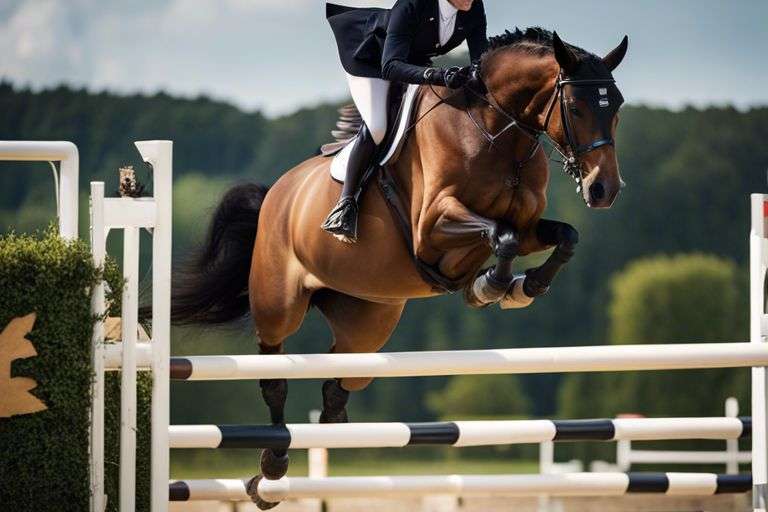
Horse Breeds for Dressage – Characteristics and Training
It’s crucial to select the right horse breed for dressage, as each breed comes with unique characteristics that can influence your training experience and performance. Understanding these traits will not only enhance your connection with your horse but also significantly impact your success in the arena. In this post, you’ll discover various horse breeds that excel in dressage, along with their specific qualities and training tips to help you achieve your equestrian goals.
Understanding Dressage
As you explore into the world of dressage, it’s important to understand the discipline’s intricacies and its profound influence on equestrian performance. Dressage is not just a competitive sport; it encompasses a series of movements performed in harmony between horse and rider, showcasing their training, communication, and mutual trust. This foundational training cultivates discipline, agility, and grace in both horse and rider, ultimately enhancing overall riding skills.
Definition and Importance of Dressage
Below, you’ll find that dressage refers to a form of horse training that emphasizes the development of balance, rhythm, and obedience. This discipline is significant not only for competition but also for improving your horse’s overall performance and behavior, reinforcing the bond between horse and rider through effective communication and understanding.
Key Characteristics of Dressage Horses
By understanding the key characteristics of dressage horses, you can better select the ideal partner for your training journey. Dressage horses typically exhibit traits like athleticism, a strong work ethic, and an eager willingness to learn. Heightened sensitivity to cues and a calm demeanor under pressure are also important qualities that enable successful participation in this refined discipline.
Indeed, the ideal dressage horse combines strength, intelligence, and temperament. You should look for a horse with smooth gaits, flexibility, and an ability to maintain focus during training sessions. A horse that displays confidence and poise, along with a natural inclination to perform patterns and movements, will greatly enhance your dressage experience, making training not just productive, but a joyful journey for both of you.
Popular Horse Breeds for Dressage
You may be surprised to learn that several horse breeds excel in the world of dressage, with Warmbloods leading the charge due to their balanced movement, temperament, and trainability. Breeds such as Dutch Warmbloods, Hanoverians, and Oldenburgs are favored for their ability to perform complex movements with elegance and precision. Additionally, their strong build and athleticism provide exceptional performance in competition, making them a top choice for riders aiming to excel in this discipline.
Warmblood Breeds
Against the backdrop of various equestrian disciplines, Warmblood breeds stand out in dressage, thanks to their innate qualities that combine strength, grace, and an excellent work ethic. These horses are often bred specifically for the sport, leading to a refined and capable breed that thrives in competitions.
Thoroughbred and Arabian Contributions
Breeds like the Thoroughbred and Arabian have made significant contributions to modern dressage. Their genes introduce agility, endurance, and spirit, enhancing the Warmblood lineage and broadening the scope of characteristics found in competitive dressage horses.
Due to their remarkable stamina and athletic skills, Thoroughbreds and Arabians have played a vital role in enhancing the dressage capabilities of Warmbloods. While they may not be typical dressage horses, their integration into breeding programs helps produce offspring with remarkable qualities, such as sensitivity, intelligence, and a willingness to learn. These traits not only enhance performance but also contribute to a strong bond between horse and rider, ultimately benefiting the sport as a whole.

Characteristics of Ideal Dressage Horses
Assuming you aim to excel in dressage, the ideal horse should possess a blend of innate qualities that enhance its performance. Key characteristics include a strong work ethic, natural athleticism, and an eagerness to learn. A horse that combines these traits will be more receptive to your training efforts, leading to a harmonious partnership in the arena.
Temperament and Trainability
Dressage horses must exhibit a calm and focused temperament, allowing them to remain composed during training and competitions. It is vital that they possess a willingness to work, as this trait directly influences their trainability. A horse with a strong bond with you will be more responsive and adaptable, enhancing your training sessions.
Physical Attributes and Movement
An ideal dressage horse flaunts specific physical attributes that contribute to its performance. These include a well-proportioned body, strong hindquarters, and exceptional elasticity in movement. A horse with these qualities not only has the capacity for impressive gaits but also the stability necessary to execute intricate maneuvers.
Understanding the significance of both conformation and movement in your dressage horse will help you identify the right equine partner. Key attributes such as an elevated front end and powerful hindquarters facilitate fluid motion and better balance during your routines. Moreover, a horse with a rhythmic, ground-covering stride allows for more expressive performance, which is vital for showcasing intricate transitions and movements required in dressage. Prioritizing these physical features can lead to a successful partnership in your equestrian journey.
Training Techniques for Dressage
For successful dressage training, employing proper techniques is imperative. Integrating systematic training methods will enable you to develop your horse’s skills, enhancing both performance and partnership. Consistency paired with patience will yield the best results as you gradually introduce your horse to various movements and exercises.
Foundation Training
Any strong dressage horse requires a solid foundation. This involves establishing basic commands, achieving a balanced posture, and ensuring your horse is responsive to cues. The core elements include:
| Basic Commands | Walk, trot, canter transitions |
| Balance and Rhythm | Maintaining even strides |
| Flexibility | Encouraging lateral movements |
| Responsive Cues | Understanding rider’s signals |
Advanced Dressage Movements
One of the most captivating aspects of dressage is mastering advanced movements. These intricate techniques require your horse to exhibit precision, grace, and obedience. As you focus on these movements, consider the following:
| Half-Pass | Diagonal sideways movement |
| Piaffe | Trotting in place |
| Passage | Elevated trot |
| Flying Changes | Change leads mid-gait |
Techniques in advanced dressage movements require a peak level of communication between you and your horse. It’s important to maintain a calm demeanor and provide clear, consistent cues. Start with simpler versions of each advanced movement, gradually escalating the difficulty as your horse gains confidence. Focus on:
| Building Strength | Core and hindquarters exercises |
| Regular Practice | Daily drills for muscle memory |
| Positive Reinforcement | Rewarding your horse’s efforts |
| Visualization | Picturing the execution of movements |
Nutrition and Care for Dressage Horses
After selecting the right breed for your dressage ambitions, focusing on nutrition and care is imperative for peak performance. A well-rounded approach enables your horse to thrive in training and competition. You can find insights on horse selection in this Please help me choose my next dressage horse discussion that might benefit your journey.
Dietary Needs
Care for your dressage horse’s dietary needs involves providing a balanced diet rich in quality forage, vitamins, and minerals. It’s important to tailor their nutrition based on their age, activity level, and specific health requirements. Consistent feeding times and access to fresh water will help maintain their energy levels and overall condition.
Health and Well-being Practices
Dressage training can be demanding on your horse, necessitating a comprehensive health and well-being routine. Regular veterinary check-ups, vaccinations, and dental care should be part of your plan to ensure a healthy horse. Incorporating physical therapy, like massage or chiropractic care, can also facilitate recovery from intense training sessions. Providing ample turnout time and social interactions will enhance your horse’s mental well-being, making them more focused and willing during training.
Another element to consider is maintaining a consistent exercise routine that complements their nutrition. Ensuring your horse receives adequate rest and recovery time is vital to prevent overtraining and injuries. A suitable grooming regimen aids in keeping their coat healthy and allows you to inspect for any signs of discomfort or injury, further supporting your horse’s performance in dressage.
Conclusion
With these considerations, you can better appreciate the specific characteristics and training techniques required for various horse breeds in dressage. Understanding how each breed’s traits contribute to their performance will enable you to make informed choices in selecting a horse that aligns with your goals. By focusing on their unique attributes and adapting your training approach accordingly, you will optimize your success in the world of dressage, enhancing both your and your horse’s skills in this elegant discipline.