

How To Build Trust With Your Horse Through Groundwork Exercises
Groundwork is the foundation for a strong and trusting relationship with your horse. By engaging in specific exercises on the ground, you can establish clear communication, build mutual respect, and create a bond of trust with your equine partner. In this blog post, we will explore various groundwork exercises that will help you strengthen your connection with your horse and develop a solid foundation for a successful partnership.
Understanding the Importance of Trust in Horse-Human Relationships
Before delving into specific groundwork exercises to build trust with your horse, it’s crucial to understand the significance of trust in your relationship. Trust forms the foundation of effective communication and a strong bond between you and your horse. When your horse trusts you, they feel safe, secure, and are more willing to engage with you willingly.
The Role of Trust in Effective Communication
For effective communication to occur between you and your horse, trust is crucial. When your horse trusts you, they are more likely to listen to your cues and respond accordingly. Trust opens the door for a deeper connection and understanding between you and your horse, allowing for smoother interactions and training sessions.
How Lack of Trust Affects Horse Behavior
Assuming your horse doesn’t trust you can lead to a range of behavioral issues. Horses are extremely perceptive animals, and they can pick up on your emotions and intentions. If your horse senses a lack of trust from your end, they may become anxious, resistant, or even exhibit dangerous behaviors. Building trust with your horse is crucial to creating a harmonious and respectful relationship.
Assuming your horse lacks trust in you, their behavior may reflect this sentiment. They may display signs of fear, avoidance, or even aggression. When a horse doesn’t trust their handler, they may struggle to relax, focus, and perform tasks asked of them. It’s crucial to address any trust issues to ensure a positive and productive partnership with your horse.
Preparing for Groundwork Exercises
Essential Equipment and Safety Precautions
With groundwork exercises, it’s vital to have the right equipment to ensure your safety and the safety of your horse. Make sure you have a well-fitted halter, a sturdy lead rope, gloves to protect your hands, and appropriate footwear that provides good grip. Avoid wearing loose clothing or jewelry that could get caught during exercises.
Choosing the Right Environment for Training
For groundwork exercises, selecting the right environment is crucial for successful and safe training sessions. You’ll want a spacious area that is free from distractions and potential hazards. An enclosed arena or round pen is ideal as it provides a controlled environment where you can focus on building trust with your horse.
Safety should always be your top priority when selecting a training location. Ensure that the ground is level and free from obstacles that could cause tripping or slipping. Additionally, check for any hazards such as sharp objects, holes, or loose fencing that could pose a danger during your groundwork exercises.
Building Rapport through Body Language
Some of the most effective ways to build trust and rapport with your horse involve paying attention to body language. Horses are incredibly sensitive to the non-verbal cues you give off, so learning to communicate through body language can greatly improve your relationship with your equine partner.
Reading Horse Body Language
Building rapport with your horse starts with reading their body language. Horses communicate primarily through gestures, postures, and expressions. By understanding your horse’s cues, you can better respond to their needs and emotions, creating a stronger bond between the two of you.
Using Human Body Language to Communicate with Horses
For effective communication with your horse, you need to be aware of your own body language. Horses are perceptive animals and can pick up on your emotions and intentions through your movements and gestures. By learning to control your body language and convey calmness and confidence, you can establish a clear line of communication with your horse.
Rapport is crucial in building a trusting relationship with your horse. When you communicate effectively through body language, you are more likely to gain your horse’s trust and respect, leading to a stronger bond and better performance in your training sessions.
Tips for Establishing a Calm and Assertive Presence
- Keep your movements fluid and deliberate, avoiding sudden or jerky gestures.
- Use relaxed and open body postures to signal to your horse that you are approachable and trustworthy.
Your presence and the way you carry yourself play a significant role in how your horse perceives you. Assume a calm and assertive demeanor when working with your horse to establish yourself as a confident leader.
Calm
- Approach your horse with a sense of calmness and serenity, as horses can sense when you are anxious or tense.
Establishing Clear Boundaries and Communication
Many Groundwork exercises for horses to build trust start with establishing clear boundaries and communication between you and your horse. Groundwork is an effective way to lay a foundation of trust and respect. By clearly defining your expectations and communicating them to your horse, you create a language that you both can understand.
Setting Clear Expectations and Rules
Clearly outline what behaviors are acceptable and what are not. Consistency is key in reinforcing these boundaries. By setting clear rules and expectations for your horse during groundwork exercises, you establish a sense of structure and predictability, which can help build trust between you and your horse. Remember to always be fair and patient in your approach.
Using Positive Reinforcement Techniques
For positive reinforcement techniques to be effective, it is important to reward your horse for desirable behaviors. This can be done through treats, praise, or even just a moment of rest. By reinforcing good behavior, you are encouraging your horse to repeat those actions, strengthening the bond between you. Positive reinforcement creates a positive association with the training process for your horse, making them more willing to engage and cooperate.
Communication is key in any successful relationship, including the one you have with your horse. Through groundwork exercises, you have the opportunity to communicate with your horse in a way that builds trust and understanding. By paying attention to your body language, tone of voice, and cues, you can effectively convey your intentions to your horse, fostering a sense of mutual respect and cooperation.
Avoiding Common Mistakes that Undermine Trust
Now, it’s important to be mindful of common mistakes that can undermine the trust you’ve built with your horse. Avoid using harsh punishments or inconsistent signals, as this can confuse and stress your horse. Remember to always remain calm and patient during training sessions, as your horse will pick up on your emotions. Building trust takes time and effort, so be sure to avoid shortcuts that sacrifice the bond you’ve worked hard to create.
Another crucial point to consider is to not rush the process. Trust is something that is earned over time, and pushing your horse too quickly can lead to setbacks. Take the time to listen to your horse and respond to their needs accordingly. Patience and consistency are key in developing a strong bond built on trust and mutual respect.
Desensitization and Counterconditioning Techniques
Understanding the Principles of Desensitization
Not all horses react the same way to different stimuli. Understanding the principles of desensitization can help you build your horse’s confidence and trust in you. The key is to expose your horse gradually to various potentially frightening objects or situations, starting with the least threatening and progressing to more challenging ones as trust is established.
Counterconditioning Exercises for Building Trust
If your horse has specific fears or triggers, counterconditioning exercises can be beneficial in helping your horse overcome these anxieties. By pairing the scary stimulus with something positive such as treats or praise, you can create a new, positive association for your horse. This technique can help your horse learn to remain calm and relaxed in situations that once caused fear or stress.
A crucial aspect of counterconditioning exercises is consistency. Remember to always be patient and reward even small attempts at bravery from your horse. Over time, you will start to see a shift in your horse’s behavior as trust and confidence grow.
Tips for Gradually Increasing Exposure and Confidence
- Start with familiar objects or areas your horse is comfortable with before introducing new stimuli.
- Use a calm, reassuring voice and demeanor to help your horse feel safe and secure.
- Progress slowly and at your horse’s pace, giving them time to process and adjust to each new situation.
If you notice any signs of distress or fear, take a step back and return to a previous step in the desensitization process. Recall, building trust is a journey that requires patience and understanding.

Building Trust through Touch and Physical Contact
The Importance of Gentle and Respectful Touch
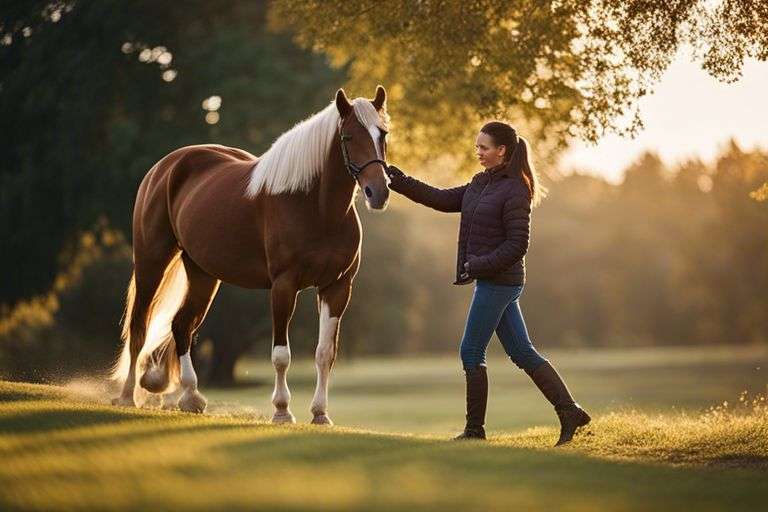
Despite what you may think, touch is a powerful tool for building trust with your horse. When done with care and respect, physical contact can help strengthen your bond and communication with your equine partner. An unsolicited touch or a rough hand can lead to fear and a breakdown in trust.
Techniques for Building Trust through Touch
Even if your horse is sensitive to touch, there are ways to gradually introduce physical contact to build trust. Start by approaching your horse calmly and allowing them to sniff or touch you first. Use light, reassuring strokes along their neck and back to communicate your presence and intentions.
A gentle massage or scratching can also help your horse associate touch with positive experiences. Pay attention to their body language and reactions to find the areas they enjoy being touched and those they are more sensitive about.
Factors to Consider when Working with Horses of Different Temperaments
When working with horses of various temperaments, it’s crucial to adjust your approach to suit their personalities. Some horses may be more reserved and require a slow and patient introduction to touch, while others might enjoy a firmer touch from the start. This individualized approach shows your horse that you respect their preferences and boundaries.
- Take into account your horse’s past experiences and any trauma they might have.
- Observe how your horse responds to different types of touch and adjust accordingly.
This tailored approach is necessary for building trust with horses of all temperaments and personalities. Be mindful of, each horse is unique, and it’s up to you to create a safe and trusting environment for them to thrive.
Using Reward-Based Training for Trust Building
The Science behind Reward-Based Training
Behind reward-based training is the principle of positive reinforcement, where desired behaviors are encouraged through the delivery of a reward. When you use rewards such as treats, praise, or scratches, you are associating positive feelings with the actions your horse performs, making them more likely to repeat those behaviors in the future.
Effective Reward Strategies for Groundwork Exercises
Some effective reward strategies for groundwork exercises include timing your rewards to coincide with the desired behavior, using a variety of rewards to keep your horse engaged, and being consistent in your reinforcement. By rewarding your horse immediately after they perform the desired action, you are reinforcing the connection between the behavior and the reward, making it more likely to be repeated.
Understanding what motivates your horse is key to choosing the most effective rewards. While some horses may be food-motivated, others may respond better to verbal praise or scratches on their favorite spot. By observing your horse’s reactions, you can tailor your reward strategies to suit their preferences, reinforcing trust and cooperation in your training sessions.
Common Pitfalls to Avoid in Reward-Based Training
Exercises that involve inconsistencies in rewarding or accidentally rewarding unwanted behaviors can confuse your horse and undermine the trust-building process. It’s vital to be clear and consistent in your reward delivery to avoid mixed signals.
Avoid relying solely on treats as rewards, as this can create a dependency on food and diminish the effectiveness of other forms of reinforcement. By incorporating a variety of rewards and maintaining a balanced approach, you can keep your horse motivated and engaged in the training process.
Managing Fear and Anxiety in Horses
Identifying Signs of Fear and Anxiety
Keep an eye out for subtle signs of fear and anxiety in your horse. Horses may display behaviors such as pinned ears, tail swishing, wide eyes, trembling, or even attempting to flee. These signs can indicate that your horse is feeling stressed or fearful in the current situation.
Techniques for Reducing Fear and Anxiety through Groundwork
Horses are sensitive animals and respond well to calm, consistent leadership. Engaging in groundwork exercises can help build trust and confidence between you and your horse. Techniques such as desensitization, where you gradually expose your horse to fearful stimuli in a controlled manner, can help reduce anxiety over time.
If your horse is exhibiting fearful behavior, such as spooking or bolting, it’s vital to address these issues through groundwork. By working on building your horse’s confidence and trust in you, you can help them overcome their fears and anxieties.
Factors that Contribute to Fear and Anxiety in Horses
For instance, lack of socialization or past traumatic experiences can contribute to fear and anxiety in horses. Additionally, changes in environment, such as moving to a new barn or being introduced to new training equipment, can also trigger stress and anxious behaviors in your horse.
- Recognizing your horse’s individual triggers and stressors is crucial in addressing their fear and anxiety.
One paragraph with more info about subsection ‘Factors that Contribute to Fear and Anxiety in Horses’
One common factor that can contribute to fear and anxiety in horses is improper handling or training techniques. If a horse has been subjected to harsh methods or inconsistent training, they may develop fear-based behaviors. It’s vital to use positive reinforcement and clear communication in your interactions with your horse to build a trusting relationship.
- Recognizing patterns in your horse’s behavior can help you identify potential triggers for fear and anxiety.
Advanced Groundwork Exercises for Building Trust
Your groundwork exercises have helped establish a strong foundation of trust with your horse. Now, it’s time to take your bond to the next level with advanced exercises that will further solidify your partnership. These exercises not only enhance communication but also build confidence and trust between you and your horse.
- Lateral Work and Desensitization Exercises
Desensitization: Lateral Work and Desensitization Exercises
Incorporating lateral work into your groundwork routine can help improve your horse’s flexibility, balance, and responsiveness to your cues. This includes exercises such as yielding the hindquarters and forehand, shoulder-in, leg yields, and haunches-in. Additionally, desensitization exercises involving different stimuli like tarps, flags, and plastic bags can help your horse become more confident and less reactive in various situations.
- Long-Lining and Driving Exercises for Building Trust
There’s Long-Lining and Driving Exercises for Building Trust
Long-lining involves working your horse from the ground with reins, simulating the feel of being ridden. This exercise helps improve your horse’s response to subtle cues, balance, and straightness. Driving exercises, where your horse pulls a cart or sled behind them, can further develop trust and partnership as they learn to work in tandem with you.
To Tips for Progressing to More Complex Exercises
To progress to more complex exercises, start by mastering the foundational skills before moving on to advanced tasks. Practice consistency in your cues and always reward your horse for trying, even if they don’t get it right the first time. By gradually increasing the difficulty of the exercises and maintaining a positive attitude, you and your horse will continue to strengthen your bond and trust.
- This will require patience and dedication, so take your time and enjoy the journey.
Exercises that challenge both you and your horse will only strengthen your relationship and build a deeper level of trust. Remember to keep the sessions short and varied to keep things fun and engaging for both of you. This will not only improve your horse’s responsiveness and willingness but also deepen the connection you share.
Overcoming Common Challenges in Trust Building
Dealing with Resistance and Refusal
You might encounter resistance or refusal from your horse during groundwork exercises. It’s important to approach these situations with patience and understanding. Remember that your horse may be showing these behaviors due to fear, confusion, or discomfort. By observing and listening to your horse’s cues, you can determine the root cause of their resistance.
Managing Dominant or Aggressive Behavior
Now, if your horse displays dominant or aggressive behavior during groundwork, it is necessary to address it immediately. Consistency is key in these situations. Set clear boundaries and establish yourself as the leader without resorting to force or intimidation. It’s crucial to remain calm and assertive, showing your horse that you are a trustworthy and capable leader.
Building trust with a dominant or aggressive horse might take more time and effort, but it is possible with patience and consistent training. By setting boundaries and rewarding positive behavior, you can gradually earn your horse’s trust and respect.
Factors that Can Undermine Trust and How to Address Them
Trust can be undermined by various factors that affect your horse’s confidence in you. It’s important to address these issues to strengthen the bond between you and your horse. Here are some common factors that can impact trust-building:
- Lack of consistency in your training methods
- Overwhelming or stressful environments
- Miscommunication between you and your horse
Any inconsistency or lack of clear communication can hinder the trust-building process. By addressing these factors and creating a safe and consistent training environment, you can overcome these challenges and build a stronger bond with your horse.
Maintaining and Strengthening Trust over Time
Once again, congratulations on building a strong foundation of trust with your horse through groundwork exercises. To ensure that this trust continues to grow and thrive over time, there are several key factors to consider.
The Importance of Consistency and Routine
On your journey to maintain and strengthen trust with your horse, consistency and routine play a crucial role. Horses thrive on predictability and structure, so it is necessary to be consistent in your interactions and training methods. Establishing a routine not only helps your horse feel more secure but also reinforces the bond of trust between you.
Continuing Education and Training for Horse and Rider
Horse training is an ongoing process that requires dedication and commitment from both you and your horse. Continuing education and training opportunities can help you improve your skills as a rider and communicator, ultimately leading to a deeper connection and trust with your horse. Consider taking lessons, attending clinics, or seeking guidance from experienced trainers to further develop your partnership with your horse.
Some horses may benefit from specialized training techniques or exercises to address specific issues or behaviors. Recognizing the areas where you and your horse need improvement can guide you towards the right resources and strategies to overcome challenges and strengthen your bond.
Tips for Adapting to Changes and Challenges
Routine is necessary for horses, but there will inevitably be changes and challenges that require you to adapt your training approach. Here are some tips to help you navigate these times while maintaining trust with your horse:
- Remain patient and calm, especially during times of uncertainty or change.
- Be flexible in your training methods and adjust as needed to meet your horse’s changing needs.
- Communicate clearly with your horse to reassure them and maintain trust in your partnership.
Recognizing the need for adaptation and being proactive in addressing challenges will ultimately strengthen the trust between you and your horse, leading to a more harmonious and fulfilling relationship.
The Role of Patience and Empathy in Trust Building
Understanding the Horse’s Perspective
Clearly, in order to build trust with your horse, it’s vital to understand things from their perspective. Horses are prey animals with a strong instinct for self-preservation. They are highly attuned to their environment, constantly reading body language and energy to assess whether a situation is safe or not. When you approach groundwork exercises with this knowledge in mind, you can begin to communicate with your horse in a way that acknowledges their natural instincts and helps them feel safe and secure in your presence.
Cultivating Patience and Empathy in Horse-Human Relationships
Patience and empathy are the cornerstones of building a strong bond with your horse. By demonstrating patience, you show your horse that you are willing to give them the time they need to understand and respond to your cues. Empathy allows you to connect with your horse on a deeper level, sensing their emotions and responding in a way that validates their feelings. When you approach your interactions with your horse with these qualities, you create a positive and trusting relationship based on mutual understanding and respect.
A key aspect of cultivating patience and empathy in your horse-human relationship is learning to listen to your horse. Pay attention to their body language, facial expressions, and vocalizations to understand how they are feeling in any given moment. By tuning into these subtle cues, you can better respond to your horse’s needs and build a stronger foundation of trust and communication.
Factors that Can Affect Patience and Empathy
- Your own emotions and mindset
- Your horse’s past experiences and temperament
- The environment in which you are working with your horse
There’s no doubt that certain factors can impact your ability to practice patience and empathy with your horse. Your own emotional state and mindset play a significant role in how you interact with your horse. If you’re feeling stressed or frustrated, it can be challenging to approach your horse with the calm and understanding demeanor necessary to build trust. Recognizing how your emotions can affect your horse allows you to take steps to manage them effectively and create a more positive experience for both of you.
- Recognizing and acknowledging your horse’s emotions
Understanding your horse’s emotions is crucial in developing a relationship built on trust and respect. Just like humans, horses experience a range of emotions, from fear and anxiety to calmness and contentment. By learning to recognize and validate your horse’s emotions, you can adjust your training methods to suit their individual needs and create a more empathetic and enjoyable experience for you both.
Integrating Groundwork into Daily Routines
Incorporating Groundwork into Daily Care and Management
After establishing a groundwork routine with your horse, you can easily incorporate these exercises into your daily care and management tasks. Any time you interact with your horse, whether it’s during feeding, grooming, or turnout, you can integrate brief groundwork exercises to reinforce trust and respect.
Tips for Scheduling and Prioritizing Groundwork Exercises
Incorporating groundwork into your daily routines requires planning and consistency. Consider setting aside specific times during the day for these exercises to ensure they become a regular part of your interactions with your horse. Start by prioritizing groundwork based on your horse’s needs and your schedule.
- Set achievable goals for each session.
- Be flexible and adjust your routine as needed.
- Track your progress and celebrate small victories.
Assume that by incorporating groundwork into your daily routine, you’ll strengthen your bond with your horse and see improvements in your training sessions.
Factors to Consider when Working with Horses of Different Ages and Abilities
Groundwork exercises can be adapted to suit horses of all ages and abilities. When working with younger or less experienced horses, focus on building confidence and establishing basic obedience. For older or more advanced horses, you can incorporate more complex exercises to keep them mentally engaged.
- The key is to tailor your approach to meet the specific needs of each horse.
When working with horses of different ages and abilities, it’s vital to understand their individual strengths and limitations to create a safe and effective groundwork program.
Final Words
Now that you have learned about how to build trust with your horse through groundwork exercises, you have a solid foundation to create a strong and lasting bond with your equine partner. Remember to always approach each session with patience, consistency, and a positive attitude. By establishing clear communication, setting boundaries, and earning your horse’s respect, you will develop a trusting relationship that will benefit both you and your horse in all areas of your equestrian journey.


