
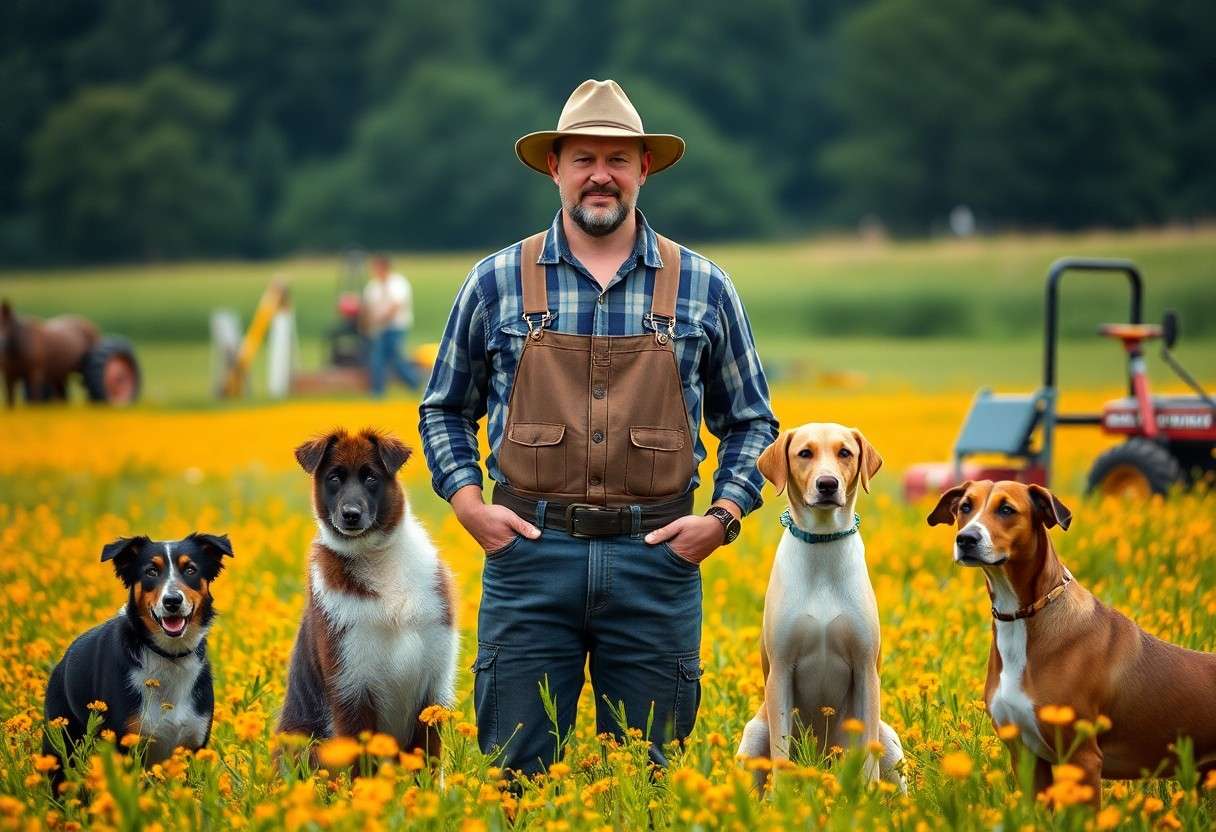
Balancing Aesthetics and Functionality in Breed Selection
With so many breeds available, choosing the right one for your lifestyle can be overwhelming. It’s crucial to find a balance between aesthetics and functionality to ensure you select a breed that not only captivates your heart but also meets your practical needs. Your decision will impact various aspects of your life and your pet’s well-being, so it’s important to weigh your preferences and priorities carefully. This blog post will guide you through the factors to consider when making this important choice.
Understanding Breed Selection
The process of breed selection involves evaluating various factors to find the ideal dog for your lifestyle and preferences. You must consider aspects such as temperament, size, energy levels, and health predispositions to ensure a harmonious match between aesthetics and functionality. Understanding the specific traits of different breeds will empower you to make an informed decision that aligns with your needs and values.
Historical Perspectives
Between ancient times and today, breed selection has evolved significantly. Originally, dogs were selected based on their utility, whether for herding, hunting, or guarding. Over time, human preferences shifted towards specific physical attributes and temperaments, leading to the development of numerous breeds that serve both practical and aesthetic purposes.
Modern Practices
Below contemporary breed selection, you’ll find a blend of tradition and innovation. Today, breeders utilize advanced knowledge in genetics, behavior, and health to create dogs that fulfill both functional roles and aesthetic desires. You should also consider attending breed clubs or events, which showcase the diversity of breeds and allow you to interact with knowledgeable breeders and owners.
Perspectives on modern breed selection reveal a growing emphasis on responsible breeding practices. Ethical breeders focus on improving breed health, temperament, and conformation while prioritizing the well-being of the dogs. By considering factors like genetics and socialization techniques, you can better appreciate how these practices influence your future canine companion’s likelihood of being a compatible pet. Adopting a well-informed approach ensures that your selection process benefits from the latest insights in dog breeding and care.
Aesthetic Considerations
If you are drawn to a specific dog breed for its looks, it’s important to consider how those aesthetic qualities align with your lifestyle and the dog’s potential behaviors. While physical appearance often captures your heart, it’s vital to evaluate whether these breeds can meet your practical needs and environmental conditions. Balancing the visual appeal with other vital factors will ensure you choose a companion that suits both your aesthetic desires and functional requirements.
Physical Traits
The physical traits of a breed—such as size, coat type, and color—can significantly influence your choice. These characteristics not only define the breed’s appearance but also impact its adaptability to your living environment and daily life. For instance, a large dog may require more space and exercise, while a small breed may be better suited for apartment living. You should assess how these traits align with your home and lifestyle before making a selection.
Breed Standards
By understanding breed standards, you gain insight into what defines a breed’s ideal characteristics, including appearance, temperament, and behavior. These standards are set by kennel clubs and breed organizations to guide breeders and enthusiasts alike in maintaining the integrity of the breed. You’ll want to research these standards, as they can inform your decision-making process and ensure that you choose a dog that meets your aesthetic preferences while also adhering to the expected norms of health and behavior.
Further exploring breed standards is beneficial in selecting a dog that not only meets your aesthetic preferences but also complies with the traits recognized by official organizations. These standards ideally outline what a healthy and well-bred animal should look like and how it should behave, providing a benchmark for you to evaluate potential breeders. Understanding these requirements can help you avoid health issues associated with poorly bred dogs while ensuring that the visual appeal of your chosen breed matches its expected qualities.
Functional Requirements
One of the primary considerations in breed selection is understanding the functional requirements of the dogs you’re interested in. Depending on your lifestyle and living conditions, certain breeds may offer attributes that better suit your needs, whether for protection, companionship, or activity level. Identifying these necessities will guide you in selecting a breed that aligns with your functional expectations, ensuring both you and your dog thrive in your living arrangements.
Working Breeds
Along with their impressive looks, working breeds often excel in tasks that demand strength, intelligence, and resilience. Designed for specific jobs, such as herding, guarding, or search-and-rescue, these dogs require mental and physical stimulation to prevent boredom. If you lead an active lifestyle and need a reliable partner, incorporating a working breed could enhance both your daily activities and their natural instincts.
Companion Animals
Below the surface of aesthetics lies the need for companionship that many pets, especially dogs, fulfill in your life. Companion animals are bred primarily for their friendly demeanor and sociability, making them an ideal choice for families or individuals seeking emotional support. Whether you prefer a small lap dog or a playful medium-sized breed, the focus is on the bond you share, which can significantly enrich your everyday experiences.
Plus, the appeal of companion animals goes beyond looks; their loyalty and affectionate nature can greatly enhance your well-being. These dogs thrive on human interaction and often adapt well to various living situations, ensuring that your needs for companionship and love are met. When identifying a breed, consider how their personality traits align with your lifestyle, as fostering a strong connection will lead to a harmonious relationship.
The Interplay of Aesthetics and Functionality
After understanding the significance of both aesthetics and functionality, it becomes clear that their interplay is vital in breed selection. You must navigate this balance to achieve the desired visual appeal without compromising the dog’s purpose. Striking the right harmony enhances not just your dog’s appearance, but also its well-being and performance in various tasks. A breed’s visual traits often stem from historical function, reminding you that aesthetics can be a reflection of what’s practically beneficial.
Case Studies
Any insightful analysis on breed selection can benefit from examining real-world case studies. Here’s a list showcasing diverse breeds, highlighting their aesthetic qualities alongside functional attributes:
- Labrador Retriever: Known for their iconic sleek coat, they excel in water retrieval with a strong swimming ability.
- Poodle: With elegant curls, poodles are renowned for intelligence, serving as service dogs and excelling in obedience competitions.
- Bulldog: Featuring a distinctive appearance, bulldogs are loyal companions despite having respiratory challenges due to their structure.
- German Shepherd: Valued for their striking appearance and exceptional working ability, often utilized in police and military roles.
- Golden Retriever: With their beautiful golden coats, they are also highly trainable, making them excellent therapy and assistance dogs.
Challenges in Selection
An important aspect of breed selection involves recognizing the challenges presented by the aesthetics-functionality balance. It can often be difficult to evaluate a breed purely on looks without acknowledging potential health implications. It is imperative to ensure that the traits you find appealing do not come at the cost of your dog’s overall health and well-being. This means conducting thorough research on genetic predispositions and understanding how certain desirable traits may affect performance or quality of life. By being diligent in your selection process, you can create a harmonious blend of beauty and purpose in your canine companion.

Ethical Implications
To navigate the ethical landscape of breed selection, you must consider the aesthetic choices that often overshadow animal welfare. Some breed characteristics are pursued for their visual appeal, yet they may compromise the animals’ health and well-being. As highlighted in The contested aesthetics of farmed animals: visual and …, balancing these priorities is crucial to promote a more compassionate approach to breeding.
Welfare Concerns
An increasing focus on aesthetics in breed selection raises significant welfare concerns. When certain traits are favored for their beauty, they can lead to health issues and suffering for the animals. You should critically assess how breed standards impact welfare and seek alternatives that prioritize both aesthetic qualities and the well-being of the animals.
Responsible Breeding
Breeding practices should emphasize the health and welfare of the individual animals while considering aesthetic preferences. You have the power to influence responsible breeding by advocating for practices that support genetic diversity and prioritize the well-being of animals over purely visual traits.
Understanding the principles of responsible breeding allows you to make informed choices in selecting breeds that enhance both beauty and function. This approach entails recognizing the impact of selective breeding on genetic health and promoting practices that minimize harm while maximizing well-being. By focusing on sound genetics and ethical standards, you can contribute to a more sustainable future for animal breeding, ensuring that aesthetics and functionality coexist harmoniously.
Industry Trends
Keep a close eye on the evolving trends in breed selection, as the landscape is always changing. More breeders are focusing on creating breeds that not only appeal visually but also excel in health and temperament. As consumers increasingly value ethical breeding practices, you should align your selection criteria with these industry shifts to remain relevant.
Shifts in Consumer Preferences
For many dog owners today, aesthetics are no longer the sole priority. There’s a growing demand for breeds that are not only beautiful but also functional and healthy. As you consider your breed selection, keep in mind that your potential customers may prioritize traits that promote well-being and lifestyle compatibility over mere appearance.
Impact of Social Media
Media platforms today play a significant role in how breeds are perceived and selected by consumers. Your potential buyers are likely influenced by images and stories shared online, which can shape their preferences and expectations for breed characteristics.
And with the rise of influencers and breed-specific accounts, the visibility and popularity of certain breeds are amplified. This exposure often drives trends, making it crucial for you to stay engaged with current online conversations about breed desirability and the attributes that pet owners are seeking. By following these trends, you can ensure that your breeding practices align with what consumers want, ultimately enhancing your reputation in the industry.
To wrap up
Considering all points, achieving a harmonious balance between aesthetics and functionality in breed selection is vital for responsible pet ownership. You should evaluate not only the visual appeal of a breed but also its temperament, health, and suitability to your lifestyle. By prioritizing both elements, you can ensure that your choice enhances your life while promoting a happy and healthy environment for your new companion.


