

Baroque Horse Breeds – Elegance and Power
Most horse enthusiasts admire the beauty and strength of Baroque horse breeds, which embody both elegance and a powerful presence. These breeds, known for their impressive physiques and stunning movements, have a rich history steeped in artistry and discipline. By exploring the unique characteristics and exceptional abilities of these majestic animals, you can deepen your appreciation for their role in equestrian sports and classical riding. Whether you seek to own a Baroque horse or simply wish to learn more about them, understanding their lineage and attributes will enhance your knowledge of these remarkable creatures.
Overview of Baroque Horse Breeds
Before you explore the world of Baroque horse breeds, it’s important to understand their unique characteristics and rich heritage. These horses are celebrated for their elegance, power, and versatility, making them a favorite among equestrian enthusiasts. Ranging from the Andalusian to the Lipizzaner, Baroque breeds are distinguished by their impressive stature, strong builds, and captivating movements, embodying a historical significance that continues to resonate today.
Historical Background
Horse breeds classified as Baroque have evolved over centuries, rooted in a complex history that intertwines with European nobility and classical artistry. Originating in regions such as Spain, Portugal, and Italy, these breeds were developed for both warfare and noble displays, symbolizing prestige and strength. Their lineage reflects a blend of influences, creating horses that not only captured the aesthetic appeal of the Baroque period but also introduced remarkable capabilities for various equestrian disciplines.
Characteristics and Traits
Behind the stunning beauty of Baroque horses lies an array of distinctive traits that make them particularly unique. Known for their muscular build, compact bodies, and powerful gaits, these breeds often display impressive agility and coordination. Additionally, their expressive faces and long, flowing manes contribute to their regal appearance, making them stand out in any setting. Their temperament typically leans toward being intelligent and willing, allowing them to excel in various disciplines, whether in classical dressage or shows.
Breeds such as the Andalusian and the Friesian exhibit specific physical traits that reflect their Baroque heritage. You’ll find that Baroque horses often have a broad chest, short back, and strong hindquarters, which provide the stamina and strength needed for their performance. Their movement is characterized by a high-stepping action and an engaging presence, captivating audiences and riders alike. Furthermore, their trainable and intelligent nature allows them to adapt to a range of equestrian activities, ensuring they remain favored in both historical displays and contemporary sports.
Notable Baroque Horse Breeds
If you are passionate about horse breeds that epitomize grace and strength, exploring notable Baroque horse breeds will surely enrich your knowledge. Among these exquisite breeds, you will find the Andalusian and the Lipizzaner, each showcasing unique qualities that underscore their significance in the equestrian world. Discovering their heritage and traits can deepen your appreciation for their majestic presence.
Andalusian
Behind the regal appearance of the Andalusian horse lies a rich history that dates back to ancient Iberian times. Renowned for their strong build, long manes, and impressive athleticism, these horses are often seen in classical dressage and performances, showcasing their elegance in motion. Their versatility makes them a favorite for both riders and enthusiasts alike.
Lipizzaner
About the Lipizzaner, this magnificent breed is famed for its remarkable strength and grace, originating from the imperial Spanish Riding School. With their striking appearance and exceptional training, they are often regarded as symbols of equestrian artistry, captivating audiences worldwide.
Further enhancing your understanding of the Lipizzaner, you will find that these horses undergo rigorous training, which allows them to perform intricate movements such as the famous “airs above the ground.” Known for their distinctive gray coats that mature from dark colors, Lipizzaners possess an enchanting presence that has graced royal courts for centuries. Their resilience and intelligence are combined with a noble demeanor, making them a favorite among riders who appreciate the spirit and elegance of Baroque horses.
The Importance of Baroque Horses in Equestrian Arts
Any equestrian enthusiast will agree that Baroque horses play a significant role in the evolution of equestrian arts. Their unique combination of grace, strength, and agility makes them a timeless choice for various disciplines. By exploring the Baroque period in the history of Western art in context to horses, you can truly appreciate how these breeds influence modern riding practices and performances.
Classical Dressage
Below, you will discover that classical dressage emphasizes the harmony between horse and rider, showcasing the elegance and finesse that Baroque breeds naturally embody. These horses excel in movements like piaffe and passage, often captivating audiences with their performance and grace.
Working Equitation
Below, you can see how working equitation is a discipline that highlights the versatility and practicality of Baroque horses. It combines dressage, obstacles, and cattle handling, allowing you to showcase your horse’s skills in a dynamic and exciting way.
Baroque horses thrive in working equitation, demonstrating their adaptability and intelligence through various challenges. Their powerful hindquarters allow for agile maneuvering, making them ideal for navigating obstacles while maintaining elegance. You will find that these breeds not only enhance your performance but also deepen your connection with your equestrian journey.
Care and Management of Baroque Horses
Now that you appreciate the elegance and power of Baroque horses, it’s important to understand their care and management. These magnificent creatures require specialized attention to ensure their health and performance. From their nutritional needs to training techniques, every aspect of their care plays a significant role in maintaining their vitality and grace. Proper management not only enhances their natural abilities but also fosters a strong bond between you and your horse, creating a rewarding experience for both of you.
Nutritional Needs
Around a Baroque horse’s dietary needs, you should focus on providing a balanced diet rich in quality hay, grains, and supplements tailored to their activity level. Ensuring they receive adequate vitamins and minerals helps support their skeletal structure and overall health. Additionally, your horse should have access to clean, fresh water at all times to maintain hydration and promote optimal digestion.
Training Techniques
With the right training techniques, you can help your Baroque horse reach its full potential. Focus on techniques that emphasize patience, consistency, and respect between you and your horse. Building a solid foundation through groundwork and positive reinforcement will establish trust and enhance performance in riding and competition settings.
Due to their unique characteristics, Baroque horses often respond well to training that incorporates classical methods, such as the use of lunging and long lining. Developing a routine that emphasizes a calm, steady approach will ensure your horse remains relaxed and attentive. You can also incorporate exercises that channel their natural strength, encouraging them to engage their hindquarters and exhibit the powerful movement for which they are known. Tailoring your training sessions to include variety will keep your horse motivated, making the learning process enjoyable for both you and your equine partner.
The Influence of Baroque Horses on Modern Breeding
Many enthusiasts and breeders recognize the profound influence of Baroque horses on contemporary breeding programs. Their distinct qualities, including strength, elegance, and versatility, have inspired a resurgence in interest for these breeds. You will observe that many modern horses are being bred with Baroque bloodlines to enhance their performance in various equestrian disciplines, thus preserving the heritage and characteristics that make these horses exceptional.
Genetic Contributions
Contributions of Baroque horses to modern equine genetics are significant, as they provide desirable traits such as temperament, athleticism, and conformation. Their genes have been carefully integrated into various horse breeds to improve performance and enhance physical attributes. By including Baroque lineage in your breeding program, you can promote the development of well-rounded horses that reflect the elegance and power inherent in these classic breeds.
Trends in Equestrian Sports
Trends in equestrian sports increasingly acknowledge the versatility of Baroque horses, elevating their status within competitive circles. Their unique athletic ability, coupled with a striking appearance, makes them sought-after partners in disciplines from dressage to show jumping.
To adapt to these trends, you might find that many riders and trainers are turning to Baroque breeds for their showmanship and obedience in the arena. The rising popularity of these horses demonstrates a shift towards appreciating their remarkable capabilities and distinct aesthetics. By incorporating Baroque horses into your training regimen, you can leverage their natural flair and precision, giving you a competitive edge in various equestrian events.
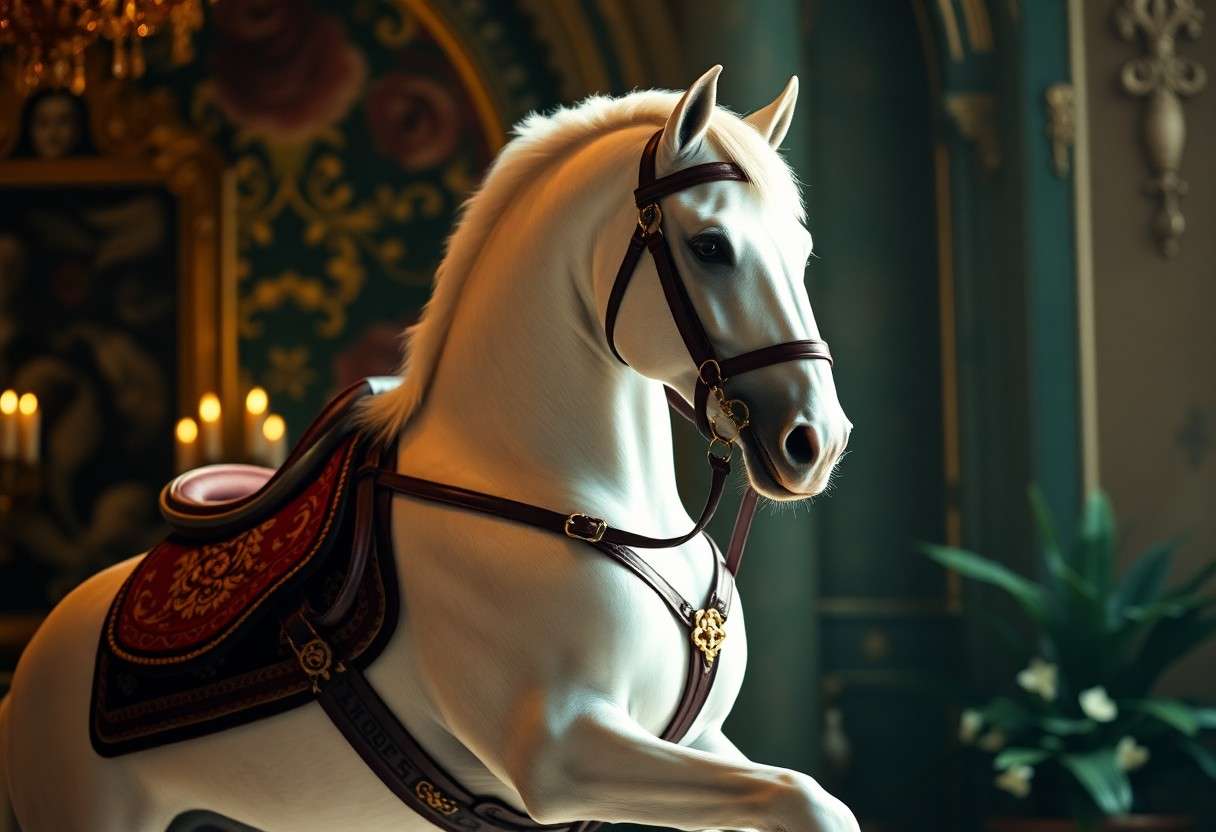
Preservation and Conservation Efforts for Baroque Breeds
All Baroque horse breeds are at risk of being lost to time, making preservation and conservation initiatives vital. Breeders, enthusiasts, and organizations work collaboratively to maintain these magnificent animals’ bloodlines, ensuring they thrive for future generations. Through responsible breeding practices, education, and resource-sharing, these efforts offer hope for the sustainability of Baroque breeds, allowing you to appreciate their beauty and strength for years to come.
Organizations and Associations
To support the preservation of Baroque horse breeds, various organizations and associations have been established. These groups work diligently to promote the breed through registry-maintaining, hosting competitions, and sharing educational resources. By joining these communities, you gain access to valuable information, networking opportunities, and a supportive environment that fosters appreciation and a commitment to preserving these exceptional horses.
Challenges Faced
Conservation of Baroque breeds encounters several obstacles, including declining numbers and changing agricultural practices. Limited genetic diversity can hinder long-term viability, while economic pressures may push breeders to favor more popular breeds over heritage varieties. You may find that navigating these challenges requires collaboration and the sharing of best practices to ensure the lasting legacy of these exquisite horse breeds.
Baroque horse breeds face immense challenges in terms of genetic diversity and popularity. As fewer individuals are bred, the risk of inbreeding increases, which can lead to health issues and diminished breed traits. Furthermore, in a world where many horse owners favor performance breeds, Baroque horses may struggle to find appreciation, leading to reduced funding and support for their preservation. By remaining informed and actively participating in conservation efforts, you can help ensure that these majestic animals continue to flourish in the equestrian landscape.
Summing up
Ultimately, as you explore Baroque horse breeds, you will appreciate their unique blend of elegance and power that sets them apart from other equine varieties. These horses possess an impressive historical legacy that showcases their versatility in riding disciplines and arts. By understanding their characteristics and background, you can make informed decisions about breeding, training, or simply enjoying their beauty, enrich your experience with these remarkable animals, and gain insight into what makes them truly special in the equestrian world.


