
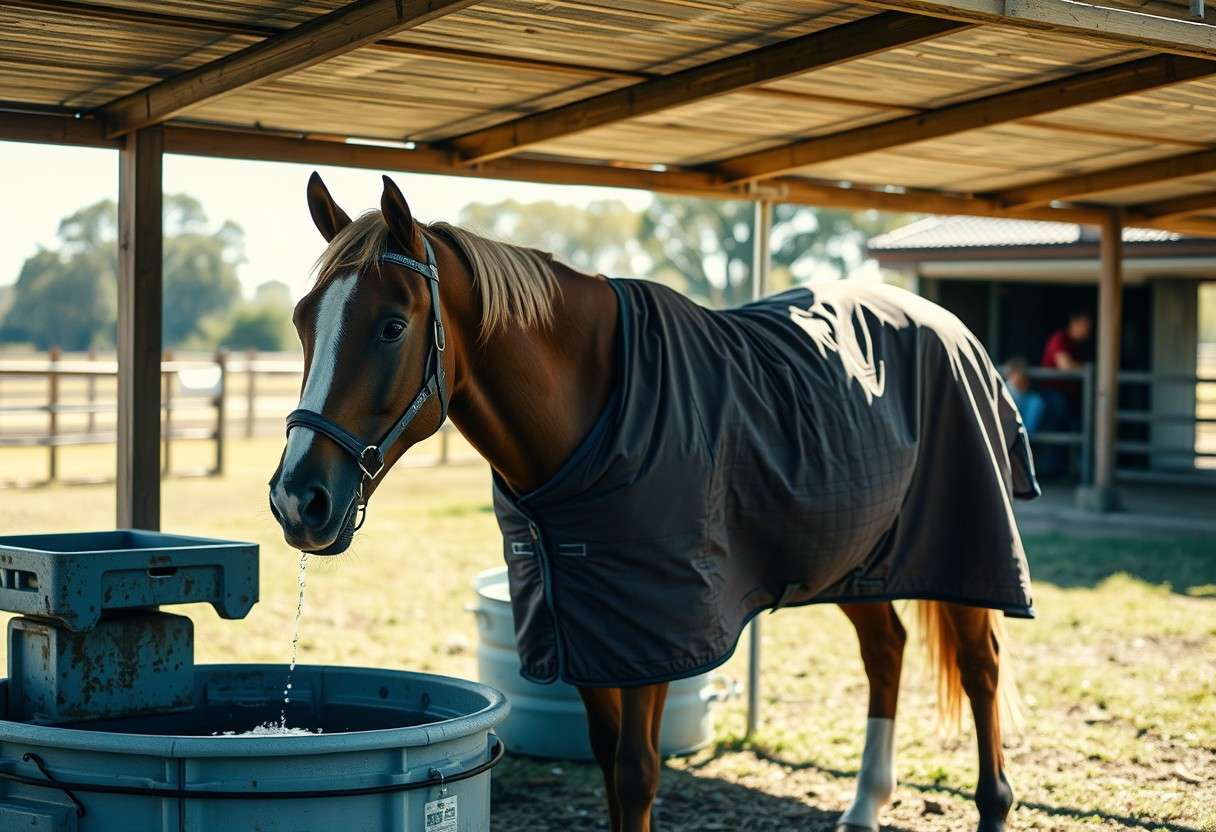
Heat Stress in Horses – Prevention and Care
Most horse owners are unaware of the serious risks that heat stress poses to their equine companions, especially during hot and humid weather conditions. Understanding how to recognize the signs of heat stress and implement effective preventive measures is necessary for maintaining your horse’s health and well-being. In this post, you’ll explore vital strategies for keeping your horse cool, safe, and comfortable, ensuring that you can enjoy your time together even in the sweltering heat.
Understanding Heat Stress in Horses
While horses are resilient animals, they are not immune to the dangers of heat stress, especially during high temperatures and humid conditions. Understanding how heat stress impacts your horse is crucial for ensuring their health and performance. When your horse’s body becomes overwhelmed by heat, it can lead to severe health issues, making it imperative that you recognize the signs early and take preventive measures.
Causes of Heat Stress
On hot and humid days, horses can easily overheat, particularly during rigorous exercise, limited access to shade, or inadequate hydration. Factors such as their breed, age, and conditioning level may also influence their susceptibility to heat stress. You need to be vigilant about these conditions during warmer months, as any combination can put your horse at risk.
Symptoms of Heat Stress
Stress in horses manifests through various symptoms, such as excessive sweating, rapid breathing, increased heart rates, and lethargy. You should closely observe your horse during warm weather, as any of these signs may indicate overheating, requiring immediate attention.
It is necessary to monitor for more severe symptoms, such as staggering, panting, or a lack of response to stimuli, as these can indicate a critical situation. Additionally, a horse experiencing heat stress may have an elevated body temperature—often exceeding 101.5°F (38.6°C). Recognizing these symptoms promptly can be the difference between a minor issue and a life-threatening emergency, so you should always be prepared to take action if needed.
Risk Factors for Heat Stress
There’s a range of risk factors that can increase the likelihood of heat stress in your horse. Be aware of the following:
- High ambient temperatures
- High humidity levels
- Inadequate shade during outdoor activities
- Intense exercise or prolonged activity
- Overweight or older horses
Knowing these factors can help you take proactive measures. For more information, check out Help Your Horse Handle Heat Stress – Publications.
Environmental Conditions
One of the primary contributors to heat stress in horses is environmental conditions. High temperatures and humidity can severely impact your horse’s ability to regulate its body heat. Always monitor the weather, especially during the summer months, and adjust your horse’s routine accordingly. If possible, provide access to shaded areas or schedule activities during cooler parts of the day.
Horse Characteristics
With varying physical characteristics, horses can exhibit different levels of susceptibility to heat stress. Factors such as breed, age, and physical condition all play a critical role in how well your horse may endure heat.
The breed of your horse significantly influences its ability to cope with heat; for instance, breeds with heavy coats may struggle more in high temperatures. Older horses and those that are overweight are also at an increased risk. You should assess your horse’s condition regularly, taking note of its fitness level and any signs of distress, as proactive care can make all the difference in preventing heat-related issues.
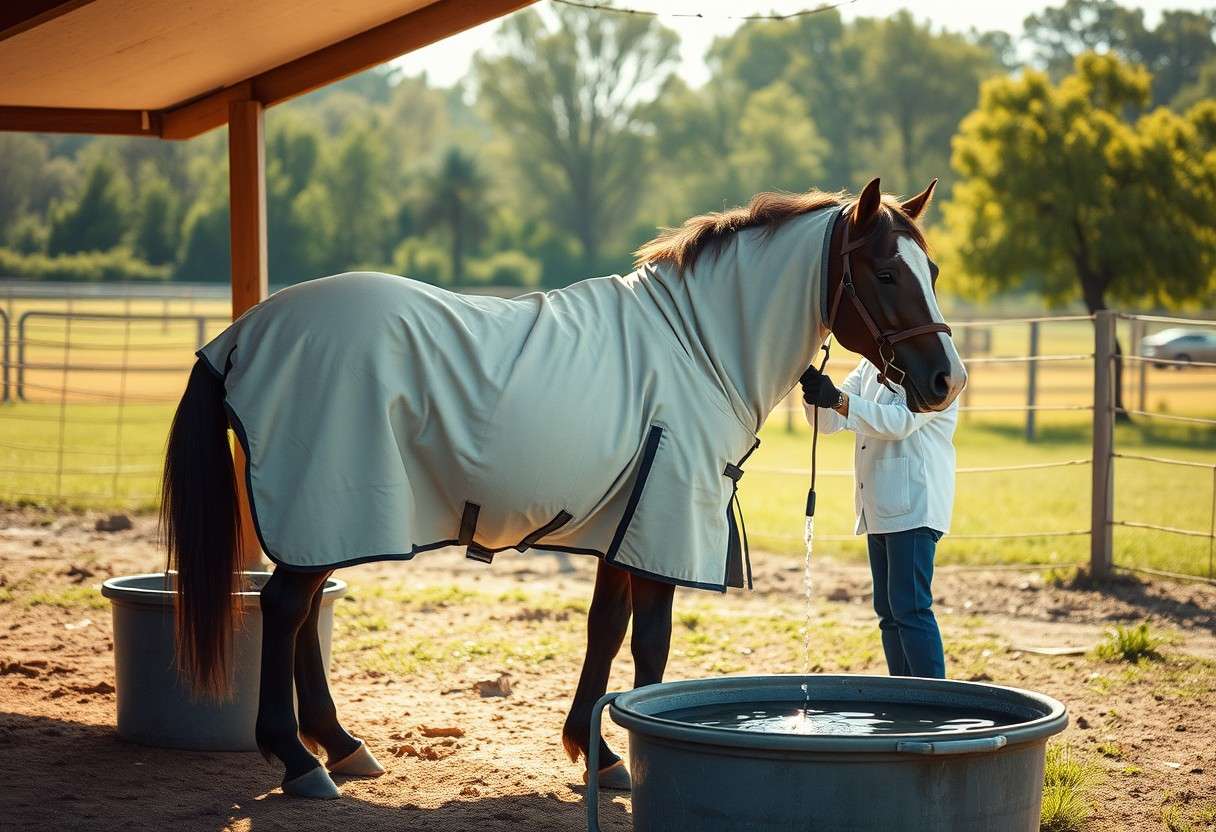
Prevention Strategies
Assuming you take proactive measures, implementing effective prevention strategies is important for safeguarding your horse against heat stress. Start by closely monitoring weather conditions to identify high heat and humidity days. Adjust your horse’s exercise schedule, opting for early mornings or late evenings when temperatures are cooler. Provide ample shade in paddocks and ensure your horse has access to cool water. Regularly check your horse’s body temperature and behavior to catch any signs of heat stress early.
Hydration and Nutrition
The key to preventing heat stress lies in proper hydration and nutrition. Ensure your horse has constant access to fresh water and encourage drinking, especially during hot weather. Consider electrolyte supplements to replenish lost minerals during sweating, and adjust your horse’s diet to include more easily digestible feeds that are lower in starch to reduce metabolic heat production.
Management Practices
Hydration is critical in heat stress prevention. Regularly monitor your horse’s water intake and consider offering electrolytes, especially after intense exercise. You can also employ strategies such as soaking hay or providing wet feed to increase moisture content. Adjust your horse’s training program during hot weather, ensuring adequate rest periods to allow cooling. Additionally, use fans or misting systems in stabling areas to help maintain a cooler environment.
Nutrition plays a crucial role in a horse’s ability to handle heat stress. Look for feeds that provide important vitamins and minerals necessary for optimal metabolic function under physical strain. You might also consider adjusting feeding times, offering smaller, more frequent meals to minimize heat production during digestion. Furthermore, tailored nutrition plans can support your horse’s overall health, enabling them to adapt better to heat and maintain performance levels.
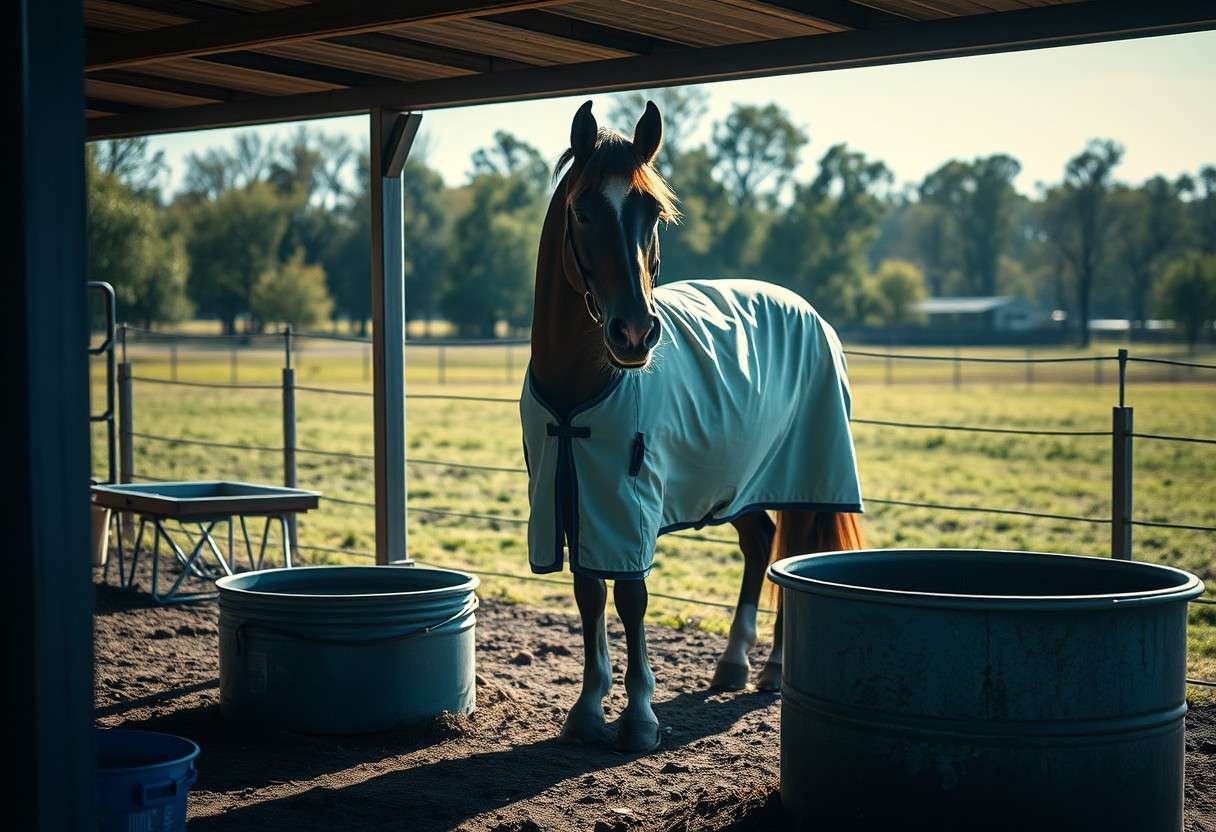
Care for Horses Experiencing Heat Stress
Many horses may experience heat stress during hot weather, and timely care is crucial to their recovery. You should first recognize the signs, which include rapid breathing, excessive sweating, and lethargy. Create a cool, shaded environment for your horse, and hydrate them with cool water. Monitor their condition closely, as swift action can prevent further complications.
First Aid Measures
The first step in providing aid to a horse experiencing heat stress is to move them to a cooler location. You can use cold water to hose down your horse, focusing on areas with larger blood vessels, such as the neck and legs. Offer small amounts of cool water for hydration. If there’s no improvement, having an emergency plan is important.
Veterinary Intervention
Horses suffering from severe heat stress require immediate veterinary attention. You should never hesitate to call a veterinarian if your horse’s condition does not improve with first aid measures. This is vital to ensure the well-being of your horse.
Intervention may involve intravenous fluids to help rehydrate your horse and stabilize their temperature. Your veterinarian may also administer medications to reduce inflammation or address electrolyte imbalances. Timely professional care is important in preventing long-term health issues related to heat stress. Always prioritize your horse’s health by being proactive and knowledgeable about heat stress management.
Post-Heat Stress Recovery
Once again, the recovery phase is crucial for your horse after experiencing heat stress. It’s imperative to provide a comfortable environment, sufficient hydration, and appropriate nutrition to help restore your horse’s body temperature and energy levels. Gradually reintroduce exercise, allowing their body to adjust back to normal routines without overexertion. Observing signs of recovery will guide your next steps effectively.
Monitoring Recovery
The key to a successful recovery lies in closely monitoring your horse’s vital signs and behavior. Pay attention to their heart rate, respiratory rate, and overall demeanor, ensuring they are returning to their normal state. Look for signs of discomfort or lethargy, and maintain communication with your veterinarian to address any potential concerns promptly.
Long-term Care
On top of immediate recovery efforts, a consistent long-term care plan is imperative for preventing future heat stress. You should implement regular hydration and ensure your horse has access to shade during hot months. Adjust their training schedule to avoid peak heat hours, and be mindful of their diet to support optimal health.
Understanding the long-term care of your horse is vital to maintaining their overall well-being and resilience against heat stress. Establish routines that include frequent hydration breaks, proper nutrition, and acclimatization to warm weather. Regular veterinary check-ups can help you identify any lingering effects of heat stress and allow for early intervention if necessary. By being proactive, you can minimize the risk of recurrent heat stress and ensure your horse thrives in all seasons.
Best Practices for Training and Competition
Now, it’s vital to incorporate effective strategies into your training and competition routines to minimize heat stress in horses. Make sure to monitor weather conditions and adjust your efforts accordingly while familiarizing yourself with Heat stress in horses: a literature review – PMC. Additionally, evaluate how your horse responds to the heat to ensure their well-being.
Scheduling and Conditioning
To provide optimal training conditions, schedule your workouts during cooler parts of the day, such as early mornings or late evenings. Gradually condition your horse to increase their physical fitness while incorporating rest days to prevent heat-related issues.
Equipment Considerations
Best practices also include considering the equipment you use during training and competition. Ensure that you select gear that promotes ventilation, fits well, and minimizes added weight to avoid unnecessary heat accumulation.
For instance, using lightweight and breathable saddle pads can significantly contribute to your horse’s comfort in warm conditions. Additionally, make sure your tack is properly fitted to prevent chafing and excessive sweating, which can exacerbate heat stress. Consider using cooling vests or blankets after intense activities to help lower your horse’s body temperature efficiently.
Summing up
On the whole, recognizing, preventing, and managing heat stress in your horse is crucial for their health and performance. You should ensure that your horse has access to shade, fresh water, and adequate ventilation during hot weather. Regularly monitoring their condition, adapting exercise routines, and utilizing cooling measures when necessary can make all the difference. By prioritizing these strategies, you equip yourself to maintain your horse’s well-being and prevent the risks associated with heat stress.


